
A double deep racking system is widely recognised as an effective storage solution for warehouses seeking to improve efficiency without expanding their physical footprint. As supply chains become more demanding and storage costs continue to rise, businesses are under increasing pressure to make better use of available space while maintaining smooth operations. This racking configuration offers a practical balance between storage density and accessibility, making it a popular choice in many industrial and distribution environments. Understanding how a double deep racking system works and the ways it enhances warehouse efficiency can help decision makers choose the right solution for their operational needs.
Understanding the Double Deep Racking System
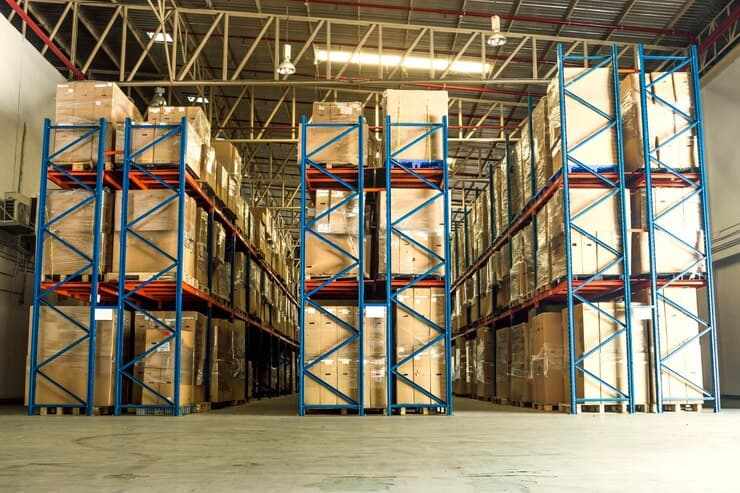
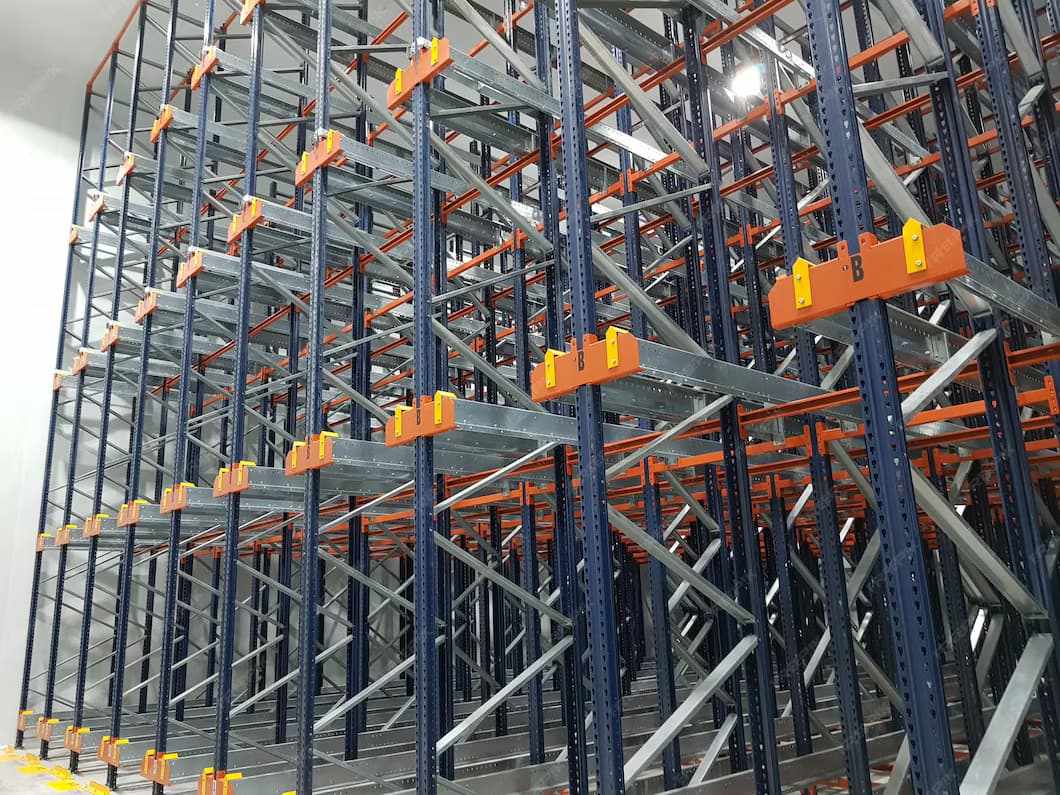
A double deep racking system is a variation of standard pallet racking where pallets are stored two deep on each side of an aisle rather than one. This means that each aisle serves more pallet positions, reducing the total number of aisles required within the warehouse. By limiting aisle space and increasing storage lanes, warehouses can significantly increase their overall pallet capacity.
The system is commonly used in facilities that handle large volumes of similar products. It works best where stock turnover is predictable and where complete selectivity is not essential. Although not every pallet is directly accessible, the gains in space efficiency often outweigh this limitation.
How It Compares to Conventional Racking
Traditional selective racking provides direct access to every pallet but requires more aisles, which reduces storage density. A double deep racking system improves upon this by placing an additional pallet behind the front pallet. This simple change leads to a noticeable improvement in space utilisation while still retaining relatively straightforward access compared to other high density systems.
Maximising Warehouse Space Utilisation
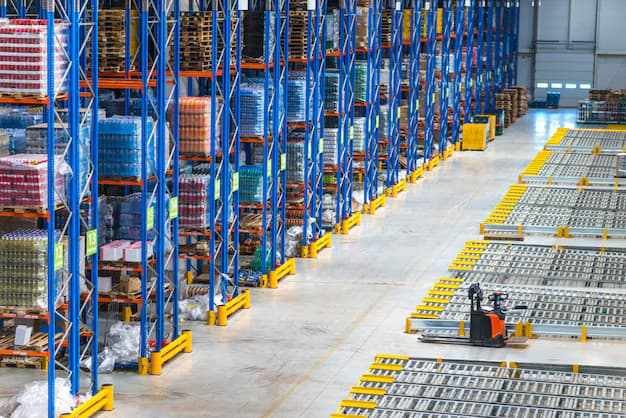
One of the most significant ways a double deep racking system improves warehouse efficiency is through better use of available space. Warehouse floor area is one of the most expensive assets in any logistics operation, and reducing wasted space is a priority for most businesses.
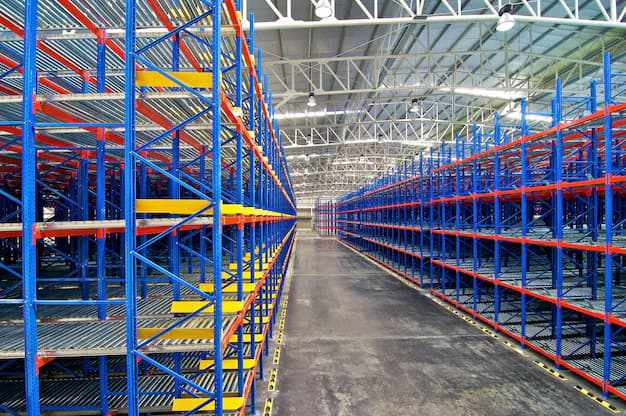
By reducing the number of aisles, more floor area can be allocated to storage rather than vehicle movement. This allows warehouses to store more pallets within the same footprint, delaying or eliminating the need for costly building expansion or relocation.
Improved Use of Vertical Space
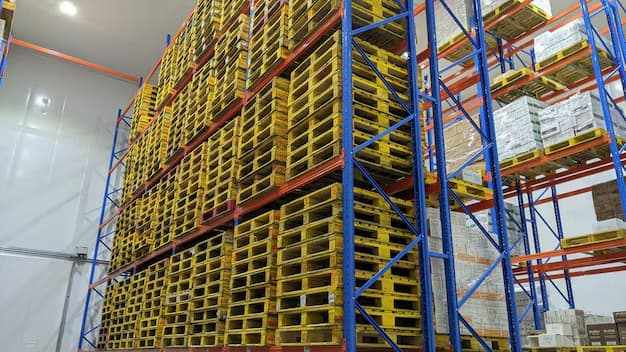
A double deep racking system also supports efficient use of vertical space. The racking can be designed to suit the height of the building, enabling pallets to be stored at multiple levels. When combined with suitable handling equipment, this allows warehouses to take full advantage of their cubic capacity rather than relying solely on floor space.
Enhancing Operational Efficiency
Warehouse efficiency is not only about how much can be stored but also how smoothly operations run on a daily basis. A well planned double deep racking system can contribute to faster workflows and reduced congestion.
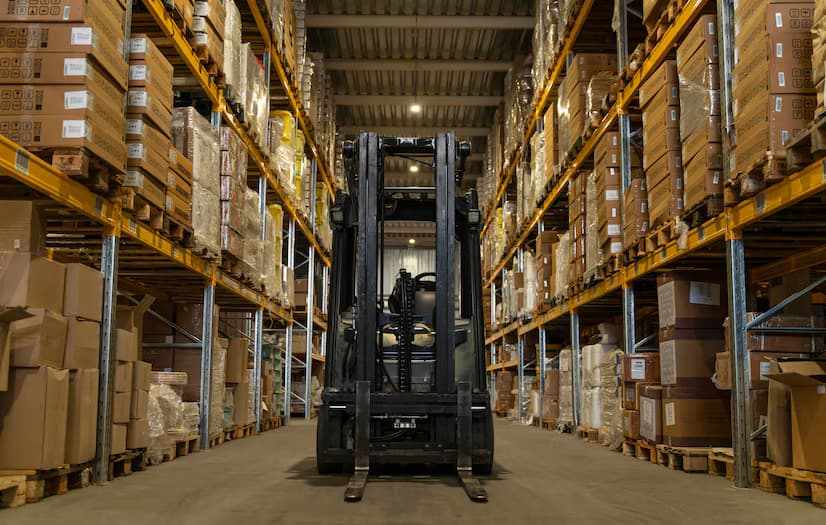
Fewer aisles mean less travel distance for forklifts during loading and unloading activities. This reduction in travel time can lead to improved productivity, particularly in warehouses with high pallet movement. Operators can complete tasks more quickly, supporting higher throughput without increasing labour requirements.
Streamlined Pallet Handling
With pallets stored in deeper lanes, forklift movements become more structured and predictable. Operators typically load the rear pallet position first and then the front position. This consistent approach helps standardise handling procedures, reducing errors and unnecessary movements. Over time, this leads to smoother operations and better use of labour resources.
Supporting Better Inventory Management
A double deep racking system can also improve efficiency through more organised inventory management. While the system generally operates on a last in first out basis, it works well for products with stable demand and longer shelf life.
Warehouses that store products in batches or by stock keeping unit can group similar pallets together in the same lanes. This simplifies stock identification and reduces the time spent searching for specific items. When supported by a warehouse management system, pallet locations can be tracked accurately, further improving picking and replenishment efficiency.
Reduced Stock Handling
By storing more pallets in fewer aisles, a double deep racking system can reduce the overall number of pallet movements required. Fewer relocations mean less wear on handling equipment and a lower risk of damage to goods and racking structures. This contributes to a more reliable and cost effective operation.
Improving Cost Efficiency
Cost control is a key driver behind warehouse efficiency improvements. A double deep racking system offers several financial benefits that support long term operational efficiency.
The increased storage density allows businesses to maximise existing space, reducing the need for new premises or building extensions. This can result in significant savings on property costs, utilities, and maintenance. In many cases, the system can be installed within an existing warehouse layout, minimising disruption and capital expenditure.
Optimised Equipment Investment
While specialised forklifts with extending forks are typically required, this investment is often offset by the reduction in overall warehouse size and improved storage efficiency. Over time, the lower operating costs and improved productivity can outweigh the initial equipment expense.
Maintaining Safety and Efficiency
Safety plays a critical role in warehouse efficiency. Accidents, damage, and downtime can quickly undermine productivity. A double deep racking system, when properly designed and maintained, supports a safe working environment.
Clear operating procedures, appropriate forklift training, and the use of safety accessories such as upright protectors and load signage help minimise risks. By reducing aisle congestion and organising pallet storage more effectively, the system can also lower the likelihood of collisions and handling errors.
Importance of Regular Inspections
Regular inspections are essential to maintaining the efficiency of a double deep racking system. Identifying and addressing damage early prevents small issues from escalating into major safety hazards. Well maintained racking performs more reliably, supporting uninterrupted operations and consistent productivity.
Ideal Warehouse Environments for Double Deep Racking
A double deep racking system is particularly effective in warehouses that handle large volumes of similar products with moderate turnover. Distribution centres, manufacturing storage areas, and bulk storage facilities often benefit from this configuration.
It is also well suited to environments where space is limited or where property costs are high. By increasing storage density, businesses can continue to grow without immediately investing in additional space.
Application in Temperature Controlled Warehouses
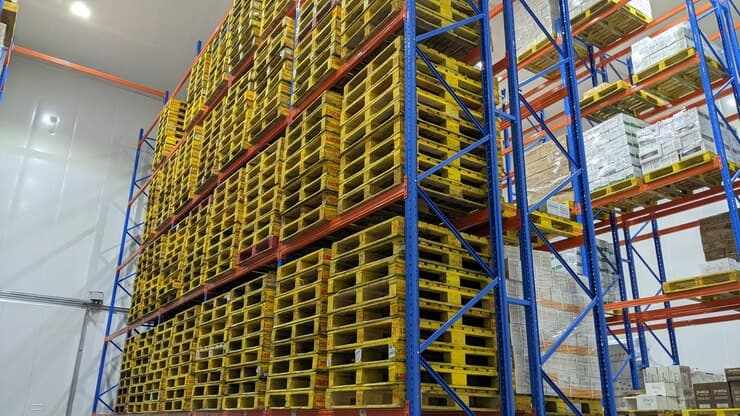
In temperature controlled environments, storage efficiency has a direct impact on energy costs. Storing more pallets within the same cooled or heated area reduces the energy required per unit of product. A double deep racking system supports this by maximising pallet capacity within the controlled space, improving overall operational efficiency.
Design Considerations That Influence Efficiency
The efficiency gains of a double deep racking system depend heavily on proper design and planning. Factors such as pallet size, load weight, aisle width, and forklift specifications must be carefully considered.
Accurate layout planning ensures that pallets can be accessed safely and efficiently. Floor condition and load bearing capacity are also important, as uneven surfaces can affect forklift stability and slow down operations. A well designed system supports smooth movement and consistent performance.
Training and Operating Procedures
Operator training is another key factor in achieving efficiency. Forklift operators must be skilled in handling extended loads and positioning pallets accurately. Clear procedures for loading, unloading, and stock rotation help maintain consistency and reduce errors, contributing to a more efficient workflow.
Long Term Efficiency Benefits
Over time, a double deep racking system can deliver lasting efficiency improvements. Increased storage capacity, reduced travel distances, and better organisation all contribute to lower operating costs and higher productivity.
As business needs evolve, the system can often be adapted or reconfigured to accommodate changes in product range or volume. This flexibility supports long term efficiency and makes the system a valuable investment for growing operations.
Conclusion
A double deep racking system improves warehouse efficiency by making better use of space, streamlining pallet handling, and supporting organised inventory management. By reducing aisle requirements and increasing storage density, it allows warehouses to store more pallets within the same footprint while maintaining manageable access to goods. When combined with proper design, training, and maintenance, the system delivers measurable improvements in productivity, cost control, and operational reliability. For warehouses seeking a practical and effective way to enhance efficiency, a double deep racking system offers a proven and versatile solution.

Write a comment ...