
Designing an efficient and durable industrial pallet rack system is one of the most critical decisions in warehouse planning. An intelligently designed storage system not only maximizes available space but also improves inventory management, streamlines workflow, and ensures workplace safety. Industrial pallet racks play a vital role in helping facilities maintain organization and meet the demands of modern supply chains.
This article explores how to design an effective industrial pallet rack system, covering key considerations, types of racking structures, layout planning, and safety measures to create a productive warehouse environment.
Understanding Industrial Pallet Racks
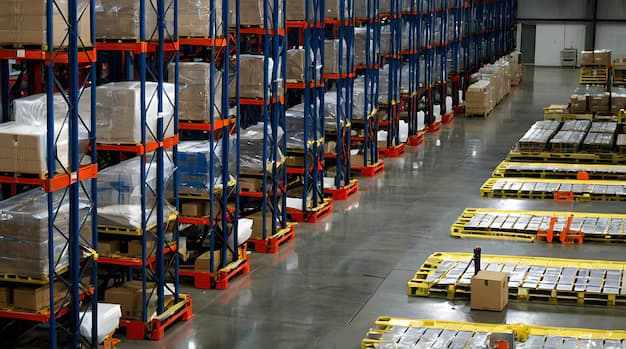
Industrial pallet racks are storage systems designed to hold palletized goods in warehouses, distribution centers, and manufacturing facilities. These systems are constructed to support heavy loads while providing easy access to stored materials through forklifts or pallet jacks.
Purpose and Functionality
The main purpose of industrial pallet racks is to optimize vertical and horizontal space within a warehouse. By storing products in tiers, they increase capacity without requiring additional floor space. Their modular design allows customization according to specific load requirements and warehouse dimensions.
Key Components of Pallet Racks
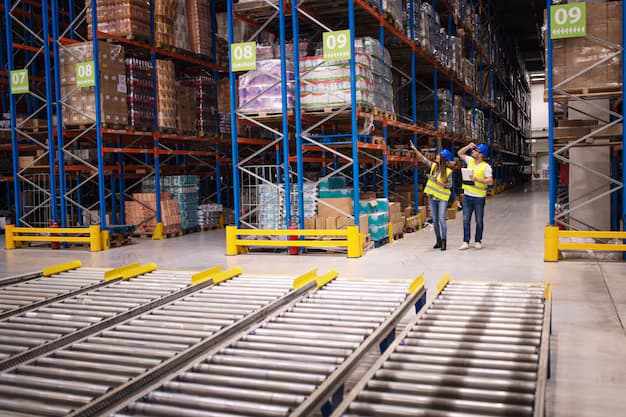
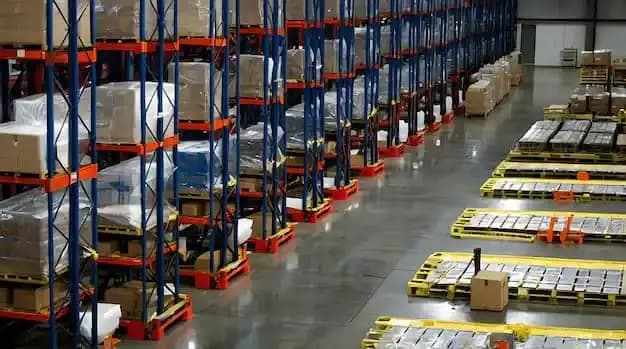
An industrial pallet rack system typically includes upright frames, beams, decking, and safety accessories. Upright frames provide vertical support, while beams connect them horizontally to create storage levels. Decking materials, such as wire mesh or steel panels, add stability and safety. Accessories like column protectors, safety pins, and rack guards further enhance durability and worker safety.
Planning the Ideal Rack Layout
Proper planning is the foundation of an efficient pallet racking setup. Every warehouse is unique, and the design should align with its specific operations, product types, and material flow.
Evaluating Warehouse Space
The first step in designing an effective industrial pallet rack system is assessing the available warehouse space. This includes measuring floor dimensions, ceiling height, column placement, and entry points. High ceilings allow for taller racking configurations, while the position of doors and aisles influences the layout design.
Determining Storage Needs
Before selecting a racking system, it is important to analyze inventory characteristics. Factors such as pallet size, product weight, turnover rate, and handling method determine the most suitable type of rack. For example, high-turnover products may benefit from selective racking for easy accessibility, while bulk storage items are better suited to drive-in or push-back systems.
Optimizing Aisle Widths and Accessibility
Aisle width is another essential consideration in warehouse design. Narrow aisles increase storage capacity but require specialized narrow-aisle forklifts. Standard aisles, on the other hand, offer better maneuverability. Striking the right balance ensures smooth traffic flow and efficient material handling.
Choosing the Right Type of Industrial Pallet Rack
Different warehouses require different storage systems based on their operations. Selecting the right racking type can significantly influence warehouse efficiency and safety.
Selective Pallet Racking
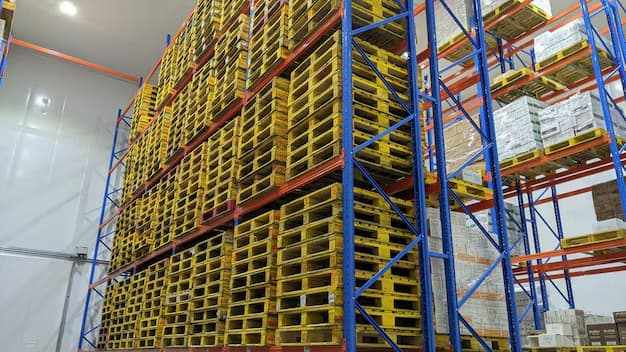
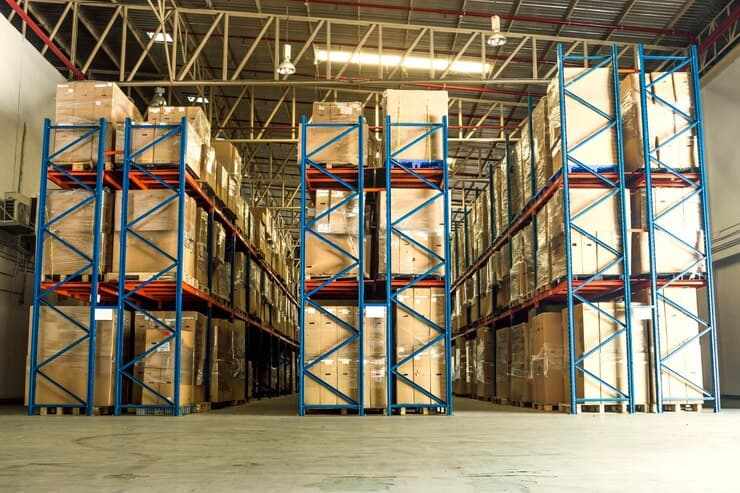
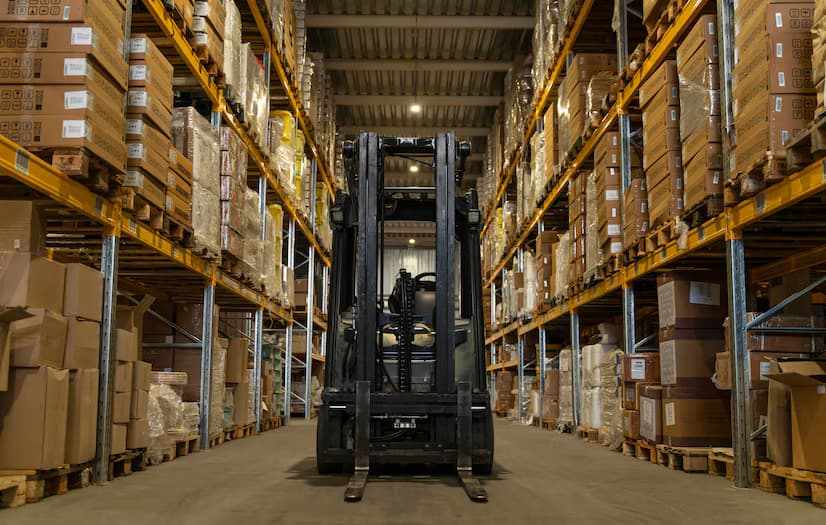
Selective racking is the most common and versatile type of industrial pallet rack. It allows direct access to every pallet, making it ideal for operations that handle a wide variety of products. This system is easy to install, adjustable, and compatible with various pallet sizes.
Drive-In and Drive-Through Racking
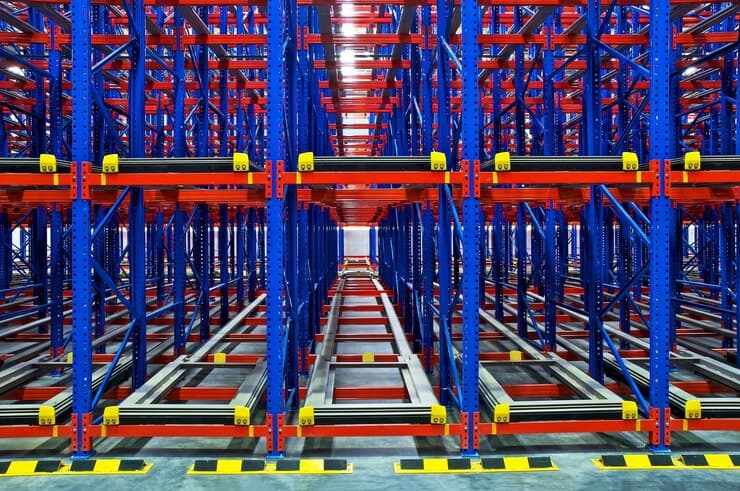
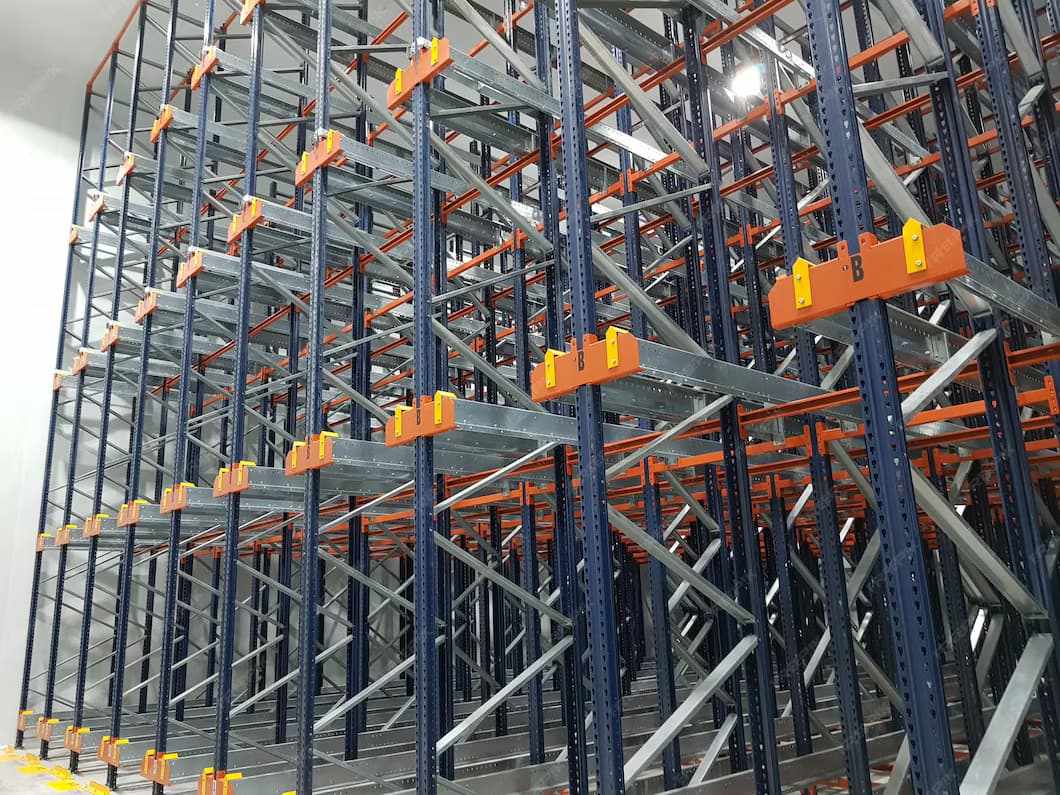
Drive-in racking systems are designed for high-density storage. Forklifts drive directly into the rack structure to place or retrieve pallets. This system is best suited for products with low rotation, such as seasonal or bulk inventory. Drive-through systems offer access from both ends, improving product flow and reducing retrieval time.
Push-Back Racking
Push-back racks operate on a last-in, first-out principle. Pallets are loaded onto wheeled carts that move along inclined rails. When a new pallet is added, it pushes the previous one backward. This system offers high-density storage with better selectivity compared to drive-in racks.
Pallet Flow Racking
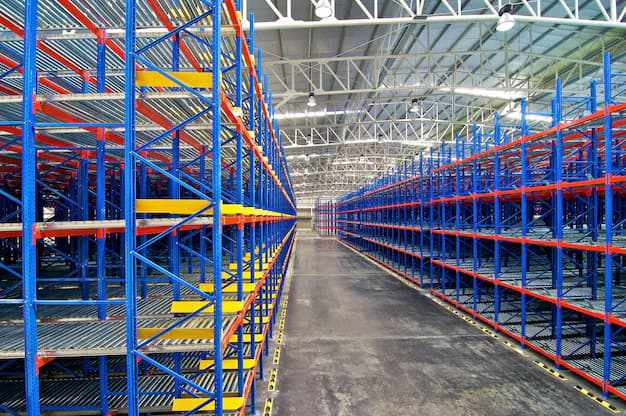
Pallet flow or gravity flow racking uses inclined roller tracks that allow pallets to move forward automatically as others are removed. This system operates on a first-in, first-out method, making it suitable for perishable goods and date-sensitive inventory.
Double Deep Racking
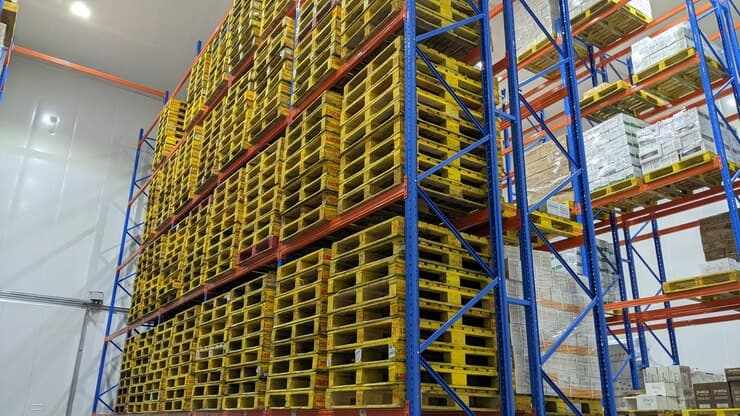
Double deep pallet racks store two pallets deep per level, reducing the number of aisles and increasing storage density. This type of system is ideal for operations with multiple pallets of the same product and moderate stock rotation needs.
Structural Considerations and Load Capacity
When designing industrial pallet racks, structural integrity and load-bearing capacity are paramount.
Material Strength and Quality
The strength and quality of materials determine how much weight the rack can safely support. Industrial pallet racks are typically made from high-grade steel for superior durability. It is crucial to ensure that all components meet industry standards and undergo quality testing.
Load Distribution
Proper load distribution prevents structural failures and ensures safety. Loads should be evenly spread across beams and decking. Overloading or uneven placement can lead to rack collapse, equipment damage, or worker injury.
Seismic and Environmental Factors
Warehouses located in seismic zones or areas with extreme temperature fluctuations require additional engineering considerations. Reinforced baseplates, bracing, and anchor bolts can improve rack stability under such conditions.
Safety and Maintenance Practices
Safety is a key factor in warehouse design and operation. A well-maintained industrial pallet rack system ensures longevity and minimizes risks.
Regular Inspections
Routine rack inspections help identify signs of damage, corrosion, or misalignment. Any compromised component should be repaired or replaced immediately to prevent accidents. Periodic audits also ensure compliance with safety standards.
Employee Training
Operators and warehouse staff must receive proper training on safe loading and unloading techniques. Understanding weight limits, forklift handling, and aisle discipline reduces the likelihood of damage and improves workplace safety.
Rack Protection Systems
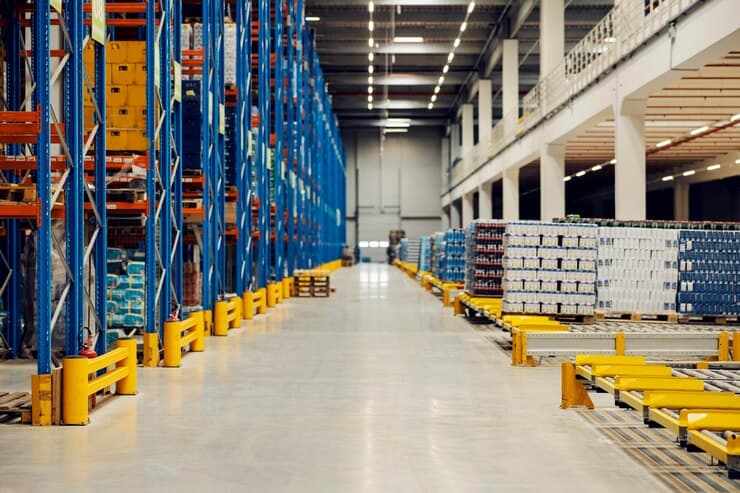
Installing protective accessories such as column guards, frame protectors, and end barriers can extend the life of pallet racks. These components absorb impact from forklifts and prevent structural damage.
Signage and Labelling
Clear labeling of rack capacity, load limits, and aisle numbers improves organization and safety. Signage should be visible and easy to understand, promoting adherence to operational guidelines.
Maximizing Efficiency with Smart Design
An effective industrial pallet rack design goes beyond structural elements. It integrates operational efficiency, accessibility, and technology for long-term performance.
Integration with Warehouse Management Systems (WMS)
Modern warehouses often use digital systems to manage inventory. Integrating pallet racks with a warehouse management system enhances visibility, tracking, and order accuracy.
Flexible and Scalable Design
As businesses grow, storage needs change. A modular pallet rack design allows for easy expansion or reconfiguration without major disruptions. This flexibility ensures long-term adaptability and cost efficiency.
Lighting and Workflow Optimization
Proper lighting and clear traffic routes increase visibility and reduce the risk of accidents. Designing an efficient workflow ensures that products move smoothly from storage to dispatch with minimal handling time.
Conclusion
Designing an effective industrial pallet rack system requires careful planning, precise engineering, and a strong focus on safety. From evaluating space and load requirements to selecting the right rack type and ensuring regular maintenance, every decision impacts the overall performance of the warehouse. A well-designed system not only improves storage density but also enhances productivity and worker safety.
For professional assistance in designing and installing durable and efficient industrial pallet racks, Dalvie Systems offers expert solutions tailored to specific business needs. Their experienced team ensures that every project achieves optimal performance, safety, and space utilization. Reach out today to discover how their storage expertise can transform any warehouse into a high-performing facility.


Write a comment ...