
A double deep racking system is a modern storage solution designed to enhance warehouse efficiency, optimize space utilization, and streamline inventory management. As businesses face increasing pressure to store more products in limited areas, adopting an effective racking system has become essential. This guide explores the benefits of implementing a double deep racking system and provides practical insights into how it can improve warehouse operations.
Understanding Double Deep Racking Systems
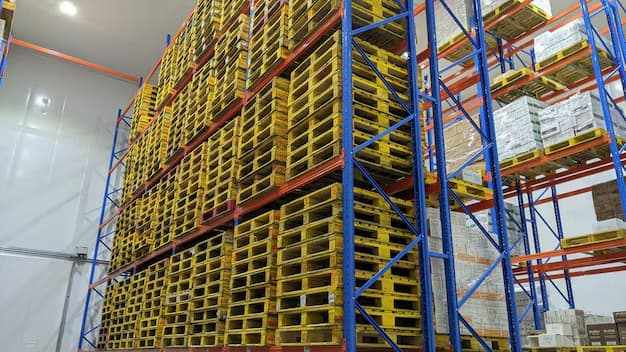
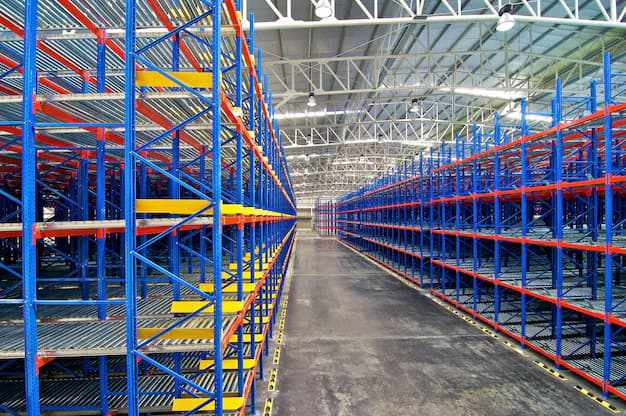
A double deep racking system allows pallets to be stored two rows deep instead of the traditional single row configuration. This design effectively doubles storage capacity in a given aisle while maintaining accessibility for forklifts and warehouse staff.
How Double Deep Racking Systems Work
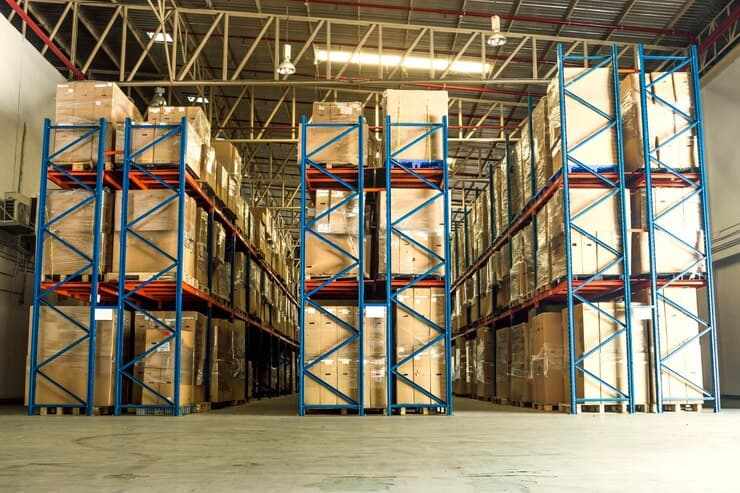
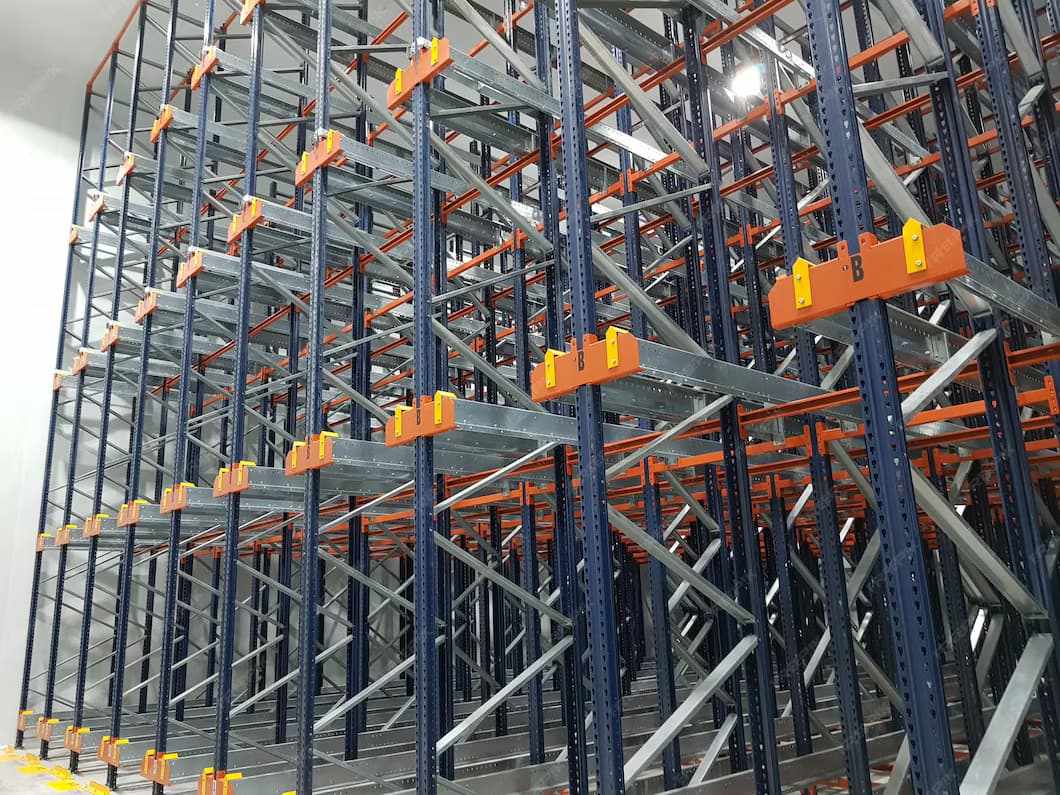
Double deep racking systems utilize reinforced frames and beams to support heavier loads safely. Specialized forklifts with extended reach or telescopic forks are required to access pallets in the back position. This setup ensures that warehouses can maximize storage space without compromising efficiency or safety.
Comparison With Other Racking Systems
Compared to single-deep racking systems, double deep racking offers higher density storage, reduced aisle space requirements, and cost savings. Unlike drive-in or drive-through racking, double deep systems provide organized storage while maintaining relatively straightforward inventory management.
Key Benefits of Implementing a Double Deep Racking System
Adopting a double deep racking system provides multiple advantages for businesses of all sizes.
Increased Storage Capacity
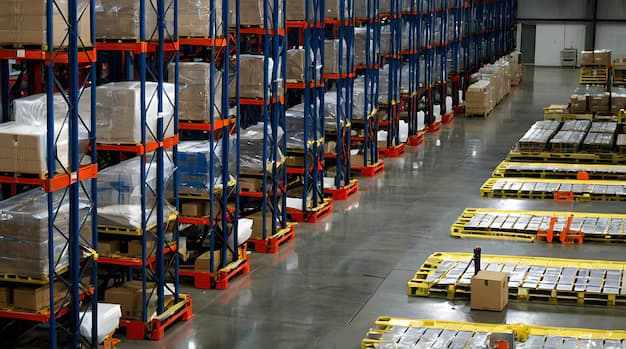
A primary benefit of double deep racking systems is the ability to store more pallets in the same footprint. By placing two pallets deep on each level, warehouses can maximize vertical and horizontal space, allowing for higher inventory volumes without expanding the facility.
Cost Efficiency
Implementing a double deep racking system can significantly reduce operational costs. Fewer aisles are needed compared to traditional single-deep systems, resulting in reduced warehouse floor space requirements. This efficiency minimizes expenses associated with heating, cooling, lighting, and overall facility management.
Improved Warehouse Organization
Double deep racking systems facilitate organized storage of products with similar dimensions. Categorizing inventory by product type or turnover rate enhances order picking efficiency and reduces the risk of misplaced or damaged items.
Enhanced Operational Efficiency
With proper planning and layout, a double deep racking system can streamline warehouse operations. Efficient placement of frequently accessed items in the front position and low-turnover products in the back ensures smooth workflow and faster retrieval times.
Better Inventory Management
The system’s structured design allows for improved tracking of stock levels. Warehouse management systems can integrate seamlessly with double deep racking to monitor inventory in real-time, enabling better planning, reduced stockouts, and more accurate reporting.
Safety and Durability
Double deep racking systems are engineered to handle heavier loads with stability. Reinforced beams and frames provide strong support, minimizing the risk of pallet collapse. Additionally, safety features such as backstops, upright protectors, and secure anchoring contribute to a safer working environment.
Flexibility and Scalability
Double deep racking systems can be adjusted to accommodate varying pallet sizes and changing inventory requirements. This flexibility makes them suitable for warehouses experiencing growth or seasonal fluctuations in stock.
Considerations Before Implementing a Double Deep Racking System
While the benefits are significant, careful planning is essential to maximize the advantages of a double deep racking system.
Warehouse Layout Planning
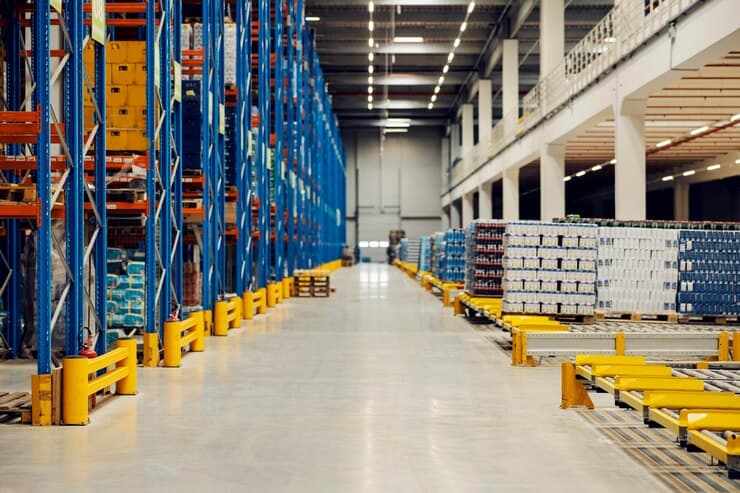
Efficient aisle widths are necessary to allow forklifts to maneuver safely and access back-position pallets. Thoughtful placement of racks according to workflow ensures that high-turnover items are easily accessible.
Forklift and Equipment Compatibility
Not all forklifts are compatible with double deep racking systems. Extended-reach forklifts or specialized attachments are required to retrieve pallets from the back position. Selecting the right equipment ensures operational efficiency and safety.
Load Capacity and Structural Requirements
The weight of stored pallets and frequency of handling determines the specifications of beams and frames. Racking systems must be rated to handle anticipated loads and comply with safety regulations.
Product Type and Inventory Turnover
Double deep racking is most suitable for uniform products with predictable turnover rates. High-turnover or irregularly sized products may require alternative storage solutions to maintain efficiency.
Safety Protocols
Implementing safety measures is crucial to prevent accidents. Regular inspections, staff training, and adherence to safety standards help maintain a secure warehouse environment.
Industries That Benefit From Double Deep Racking Systems
Double deep racking systems are versatile and applicable across multiple industries.
Warehousing and Distribution
Distribution centers benefit from the system’s high-density storage capabilities, enabling more efficient use of space and faster order fulfillment.
Retail Storage
Retail warehouses often face the challenge of storing large volumes of similar products. Double deep racking systems reduce handling time and improve inventory organization.
Cold Storage Facilities
Space efficiency is critical in temperature-controlled environments. Double deep racking systems minimize aisle space, reducing energy consumption while maintaining storage capacity for perishable goods.
Manufacturing
Manufacturing warehouses can use double deep racking systems to store raw materials and finished products in a structured and accessible manner, improving production flow and reducing downtime.
Best Practices for Optimizing a Double Deep Racking System
To maximize the benefits of a double deep racking system, businesses should follow industry best practices.
Strategic Inventory Placement
Organize products based on turnover rate. Frequently accessed items should be positioned in the front, while low-turnover products can be stored in the back to reduce retrieval time.
Staff Training
Forklift operators must be trained to handle extended-reach equipment safely. Proper handling techniques minimize accidents and increase operational efficiency.
Routine Maintenance
Regular inspections of beams, frames, and pallets prevent potential failures. Maintaining a proactive maintenance schedule reduces downtime and prolongs the system’s lifespan.
Integrating Technology
Warehouse management systems can enhance the efficiency of double deep racking by tracking inventory locations, monitoring stock levels, and optimizing picking routes.
Conclusion
Implementing a double deep racking system provides numerous benefits, including increased storage capacity, cost efficiency, improved organization, and enhanced safety. By carefully planning layout, selecting compatible equipment, and following best practices, businesses can optimize warehouse operations and maximize efficiency. For expert advice and tailored solutions for double deep racking systems, Dalvie Systems offers professional guidance to help organizations achieve optimal storage performance.

Write a comment ...