
Warehouses handling large quantities of goods face constant pressure to improve efficiency, maintain stock rotation, and maximise available space. As storage volumes increase and customer expectations grow, traditional racking systems may struggle to keep up with operational demands. Pallet live racking has emerged as an effective solution for high volume storage environments where speed, accuracy, and space optimisation are critical. By using gravity to move pallets through the system, pallet live racking supports faster handling and improved inventory control.
Pallet live racking is particularly valued in operations where stock turnover is high and consistency is essential. Understanding the benefits of pallet live racking helps businesses determine whether it is the right solution for managing large volumes of palletised goods efficiently and reliably.
Understanding Pallet Live Racking
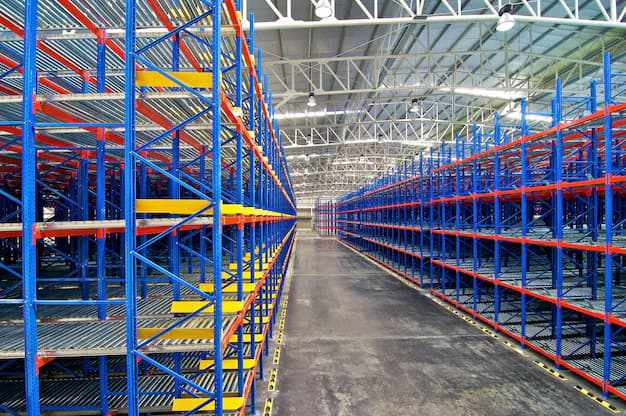
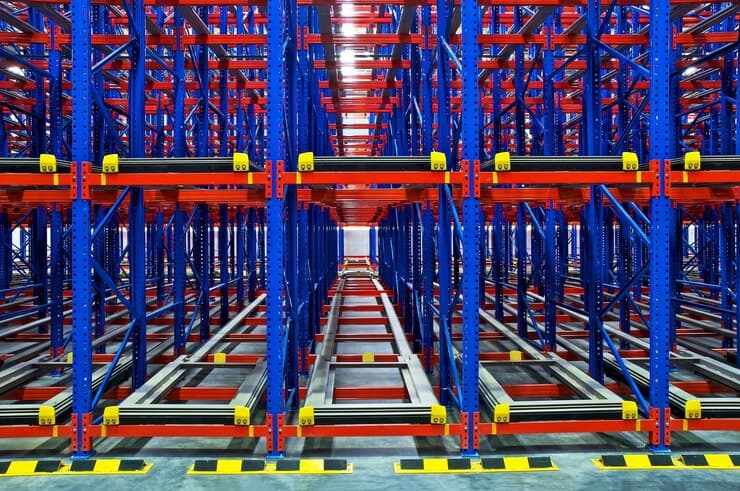
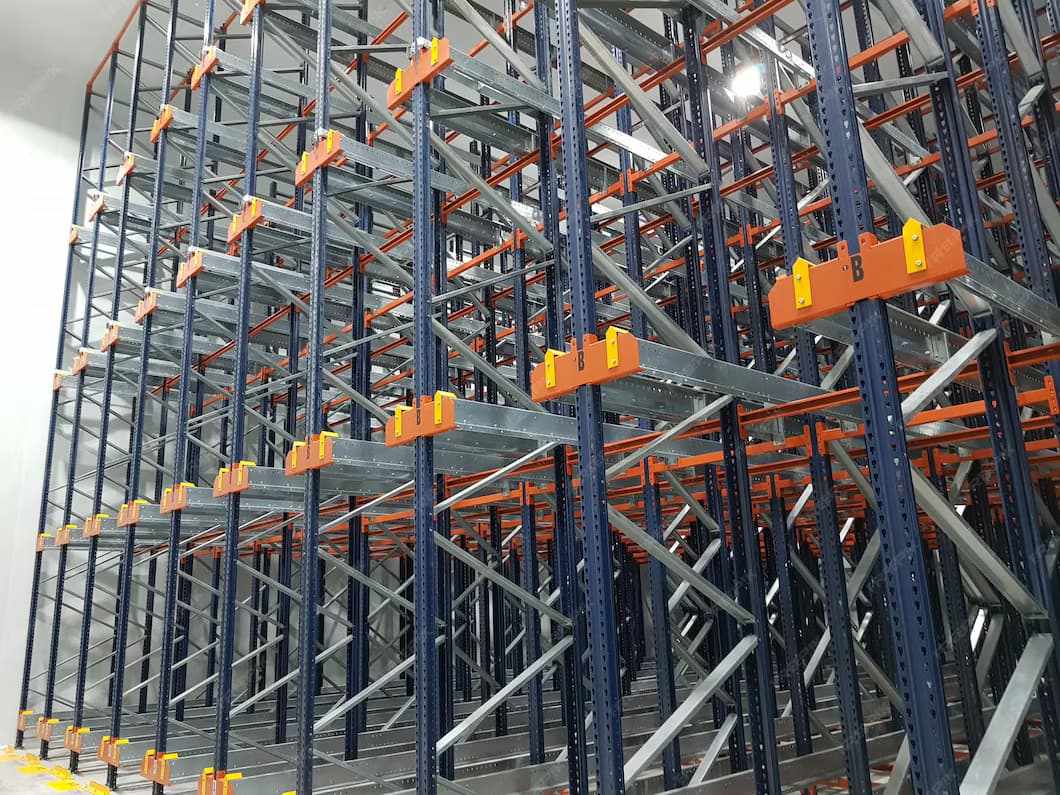
Pallet live racking is a high density storage system that uses inclined roller tracks to move pallets from the loading side to the picking side. Pallets are loaded at one end and flow forward under gravity as pallets are removed from the opposite end.
How the System Works
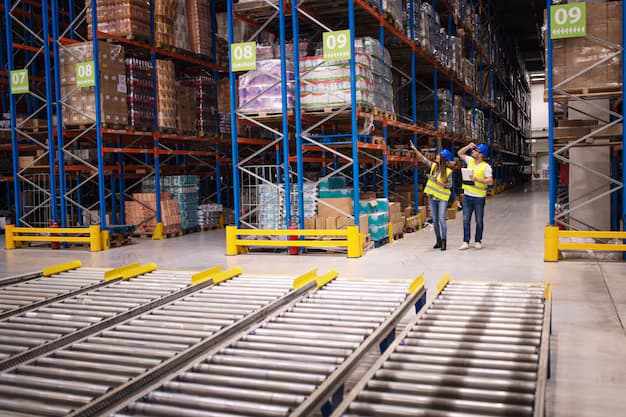
In a pallet live racking system, each lane is slightly inclined. When a pallet is loaded, it rests on rollers that allow it to move forward smoothly. As the front pallet is removed, the next pallet automatically moves into position. This continuous flow supports efficient stock handling and reduces manual intervention.
First In First Out Operation
One of the defining features of pallet live racking is its first in first out operation. This means that the first pallet loaded into the system is also the first one to be retrieved. This makes pallet live racking ideal for goods with expiry dates or strict stock rotation requirements.
Maximising Storage Density
High volume storage operations require solutions that make the best possible use of available space. Pallet live racking offers excellent storage density compared to conventional racking systems.
Reduced Aisle Requirements
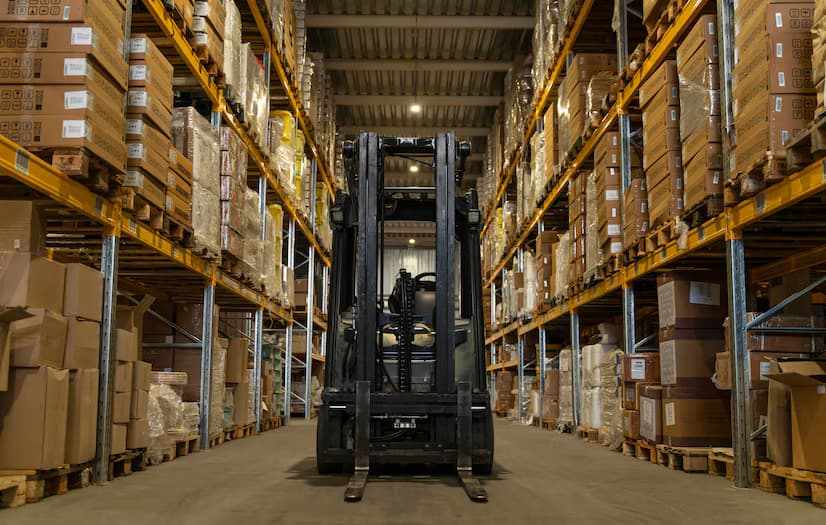
Because pallet live racking uses loading aisles at one end and unloading aisles at the other, fewer aisles are required overall. This allows more of the warehouse floor area to be dedicated to storage rather than vehicle movement.
Efficient Use of Depth and Height
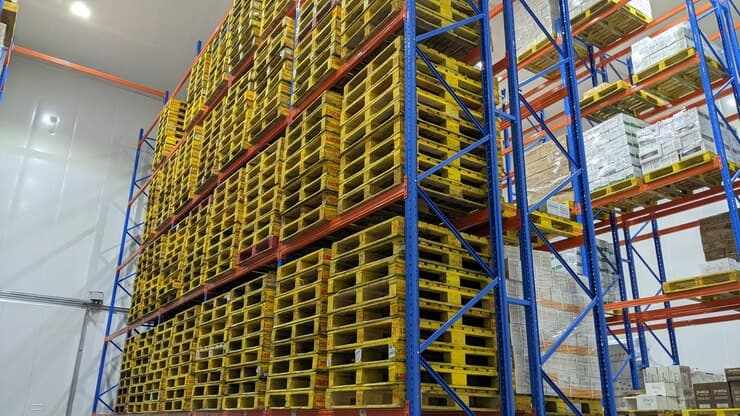
Pallet live racking allows pallets to be stored in deep lanes, making full use of the depth of the warehouse. The system can also be designed to utilise vertical space effectively, increasing total pallet capacity within the same footprint.
Improving Operational Efficiency
Efficiency is a key advantage of pallet live racking, particularly in high volume environments where speed and accuracy are essential.
Faster Picking and Replenishment
With pallet live racking, pallets are always presented at the picking face. This eliminates the need for forklifts to enter storage lanes, reducing travel time and speeding up loading and unloading operations.
Separation of Loading and Picking Activities
The separation of loading and picking sides reduces congestion and improves workflow. Forklift operators loading pallets do not interfere with those retrieving pallets, resulting in smoother and safer operations.
Enhancing Inventory Control
Accurate inventory management is critical in high volume storage. Pallet live racking supports better stock control through its structured flow system.
Automatic Stock Rotation
The first in first out nature of pallet live racking ensures automatic stock rotation. This reduces the risk of older stock being left behind and helps maintain product quality.
Reduced Handling Errors
Because pallets move automatically into position, there is less need for manual repositioning. This reduces the likelihood of handling errors and improves overall inventory accuracy.
Supporting High Throughput Environments
Warehouses with high throughput demands benefit significantly from pallet live racking. The system is designed to handle continuous pallet movement with minimal delays.
Consistent Flow of Goods
Pallet live racking creates a consistent flow of pallets from loading to picking. This predictable movement supports high volume operations and helps maintain steady output during peak periods.
Reduced Labour Requirements
By minimising forklift travel and manual handling, pallet live racking reduces the labour required for daily operations. Staff can focus on higher value tasks, improving productivity and cost efficiency.
Improving Warehouse Safety
Safety is a major concern in busy warehouses. Pallet live racking contributes to a safer working environment when properly designed and maintained.
Less Forklift Movement in Storage Areas
Since forklifts do not need to enter storage lanes, the risk of collisions and racking damage is reduced. This leads to a safer environment for both operators and goods.
Controlled Pallet Movement
Modern pallet live racking systems include speed controllers and braking mechanisms. These features ensure pallets move smoothly and safely, preventing sudden or uncontrolled movement.
Ideal for Time Sensitive and Perishable Goods
Pallet live racking is particularly well suited to industries that handle time sensitive or perishable products.
Supporting Expiry Date Management
The first in first out operation ensures that older stock is dispatched before newer stock. This is essential for goods with expiry dates, helping businesses maintain compliance and reduce waste.
Consistency in Temperature Controlled Warehouses
In cold storage and temperature controlled environments, pallet live racking maximises storage density and reduces energy costs. Storing more pallets within the same cooled space improves efficiency and cost control.
Optimising Space in High Cost Facilities
In locations where warehouse space is expensive, pallet live racking offers a cost effective way to increase capacity.
Delaying Expansion or Relocation
By increasing storage density, pallet live racking allows businesses to store more goods within their existing premises. This can delay or eliminate the need for building expansion or relocation.
Maximising Return on Property Investment
Making full use of available space improves the return on investment for warehouse facilities. Pallet live racking helps businesses achieve higher output from the same physical footprint.
Adaptability for Different Product Types
Although pallet live racking is often associated with high volume storage of similar products, it can be adapted to suit a range of applications.
Customised Lane Design
Lanes can be designed to accommodate different pallet sizes, weights, and load types. This flexibility allows pallet live racking to support various industries and product categories.
Integration with Warehouse Systems
Pallet live racking can be integrated with warehouse management systems to enhance tracking and control. This integration supports accurate stock monitoring and efficient order fulfilment.
Long Term Reliability and Performance
When designed and installed correctly, pallet live racking offers long term performance and reliability.
Durable Components
High quality rollers, frames, and guides are built to withstand continuous use in high volume environments. This durability supports consistent performance over time.
Reduced Maintenance Requirements
Because pallet live racking relies on gravity rather than powered systems, maintenance requirements are relatively low. Regular inspections help ensure smooth operation and extend system lifespan.
Environmental and Energy Efficiency Benefits
Pallet live racking also supports sustainability goals in modern warehouses.
Lower Energy Consumption
By improving storage density, pallet live racking reduces the total space that needs to be lit, heated, or cooled. This leads to lower energy consumption per pallet stored.
Reduced Equipment Usage
Less forklift travel means lower fuel or energy use, contributing to reduced emissions and operating costs.
Considerations for Successful Implementation
While pallet live racking offers many benefits, proper planning is essential to achieve the best results.
Accurate Load Assessment
Understanding pallet weights and dimensions is crucial to system design. Accurate assessment ensures the racking operates safely and efficiently.
Operator Training
Staff must be trained to load and unload pallets correctly. Proper training supports safe operation and maximises the benefits of pallet live racking.
Conclusion
Pallet live racking offers significant benefits for high volume storage operations by improving storage density, enhancing efficiency, and supporting reliable stock rotation. Its first in first out operation, reduced handling requirements, and streamlined workflows make it an ideal solution for fast moving and time sensitive goods.
By maximising space utilisation, reducing labour demands, and improving safety, pallet live racking helps warehouses operate more effectively in demanding environments. When carefully planned and maintained, it becomes a long term asset that supports productivity, cost control, and consistent performance in high volume storage facilities.



Write a comment ...