
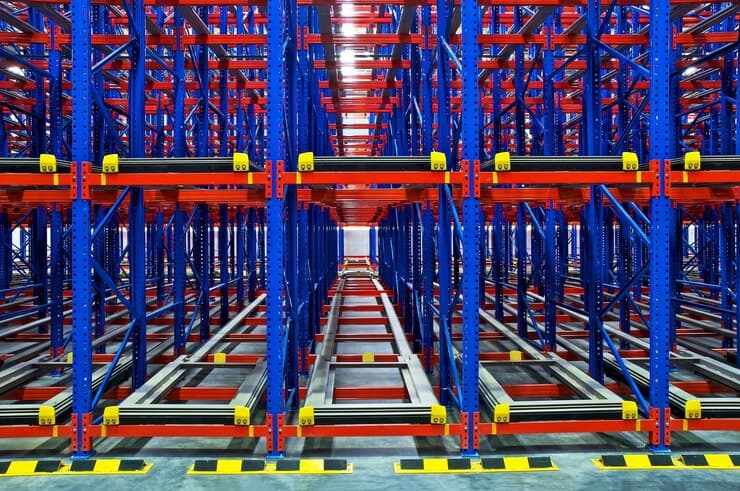
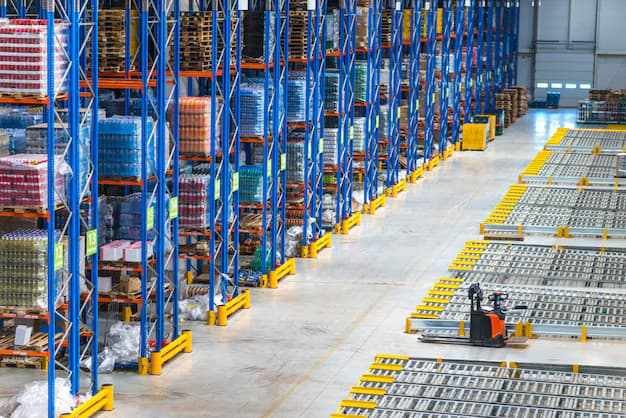
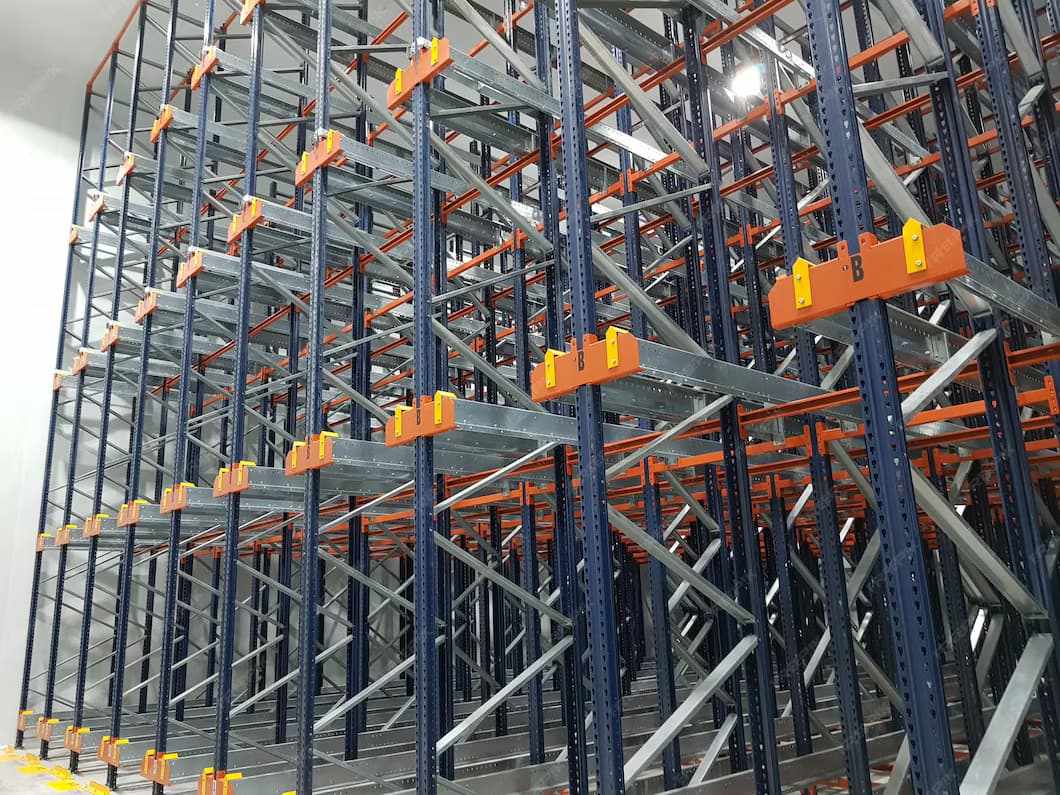
The double deep racking system is a high density storage solution designed to help warehouses store more pallets within the same available floor space. By placing pallets two positions deep on each side of an aisle, this system significantly reduces the number of aisles required compared to traditional single deep racking. As a result, more space can be dedicated to storage rather than vehicle movement, directly improving overall warehouse density.
In modern logistics environments where space is limited and demand is growing, improving storage density is a critical objective. Double deep racking systems address this challenge by offering a practical balance between increased capacity and operational efficiency. When applied correctly, they allow warehouses to maximise both horizontal and vertical space without compromising safety or organisation.
Reduction of Aisles for Higher Storage Capacity
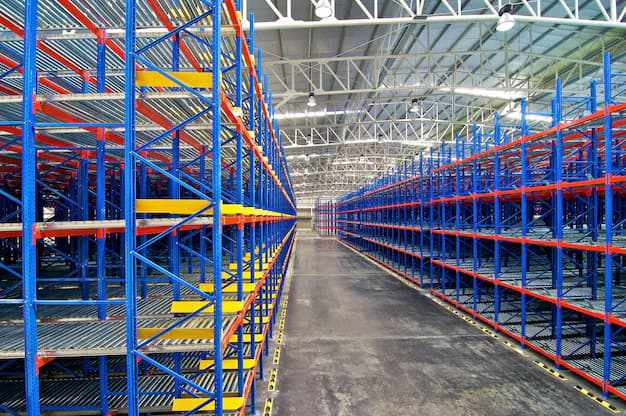
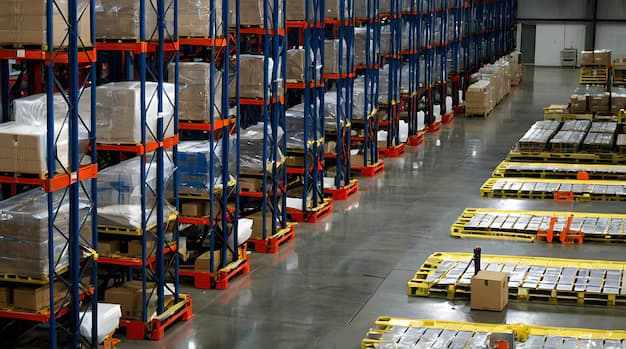
One of the most effective ways double deep racking systems improve warehouse density is by reducing the number of aisles needed for access. Since pallets are stored two deep, fewer aisles are required to achieve the same or higher storage volume. This creates additional floor space that can be used for more racking positions.
Fewer aisles also mean better use of the overall warehouse footprint. Instead of expanding the facility or relocating to a larger site, businesses can increase capacity within their existing space. This makes the double deep racking system a cost effective solution for warehouses operating in high value industrial locations.
Improved Use of Vertical Warehouse Space
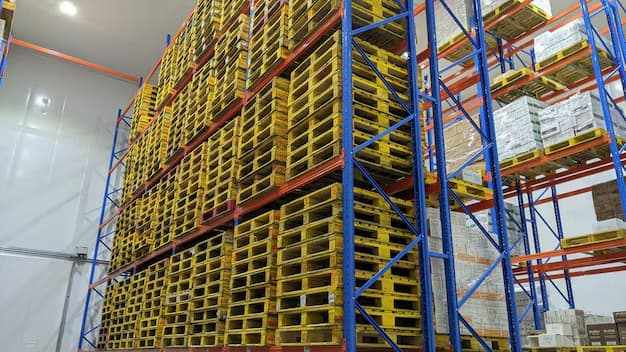
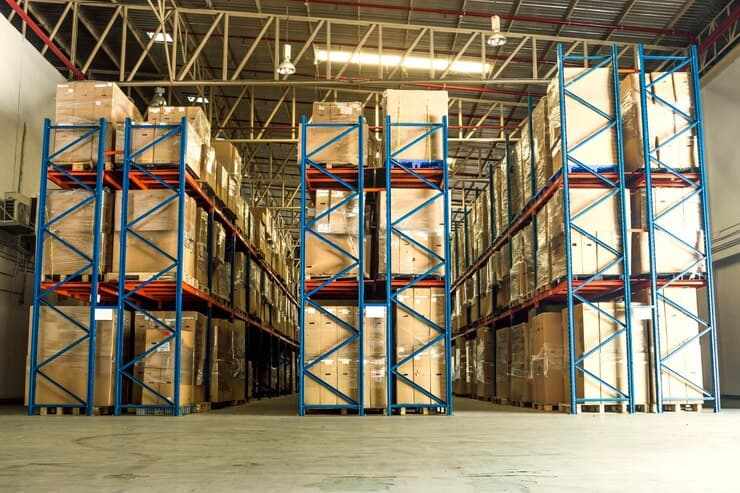
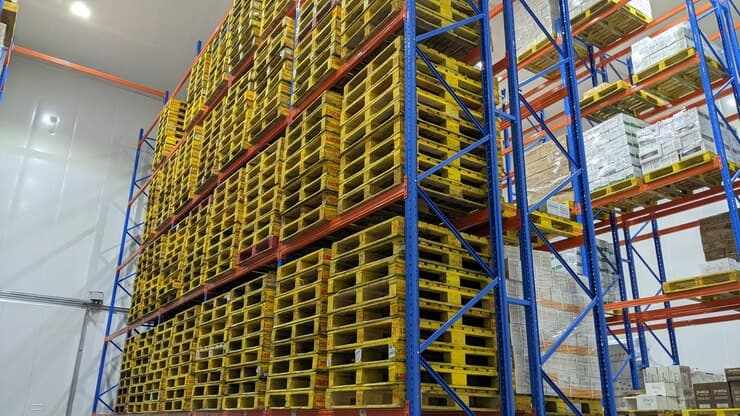
Double deep racking systems are designed to take full advantage of warehouse height. By stacking pallets safely at multiple levels, warehouses can maximise cubic space rather than relying solely on floor area. This vertical optimisation plays a key role in improving overall storage density.
Efficient use of height allows warehouses to store more inventory without increasing building size. With proper structural design and load planning, double deep racking systems can be adapted to various ceiling heights. This flexibility supports long term growth while maintaining a compact and efficient storage layout.
Efficient Storage for Uniform Inventory Profiles
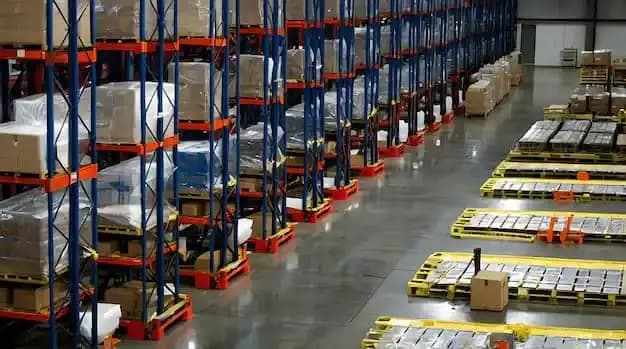
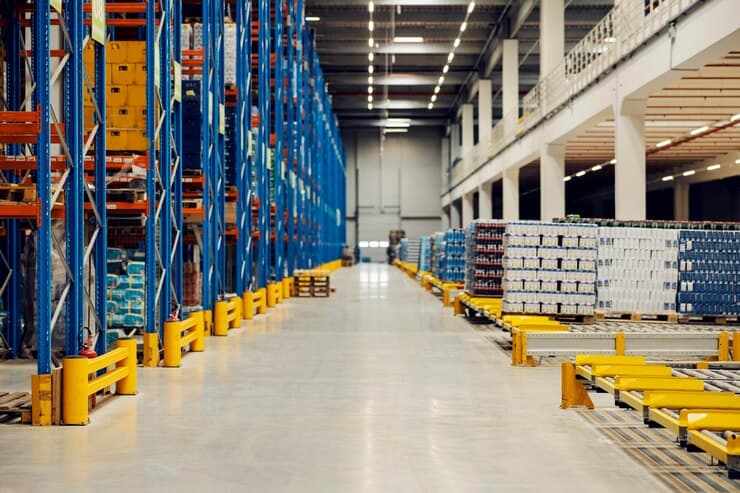
The double deep racking system is particularly effective for warehouses that store large quantities of similar products. When multiple pallets of the same stock keeping unit are stored together, access limitations are minimised and storage density is maximised. This makes the system ideal for bulk storage environments.
By grouping similar inventory, warehouses can reduce unnecessary pallet movement and improve space utilisation. This structured approach supports efficient replenishment and reduces congestion within aisles. As a result, the warehouse can operate more smoothly while maintaining a high density storage configuration.
Equipment Compatibility and Operational Planning
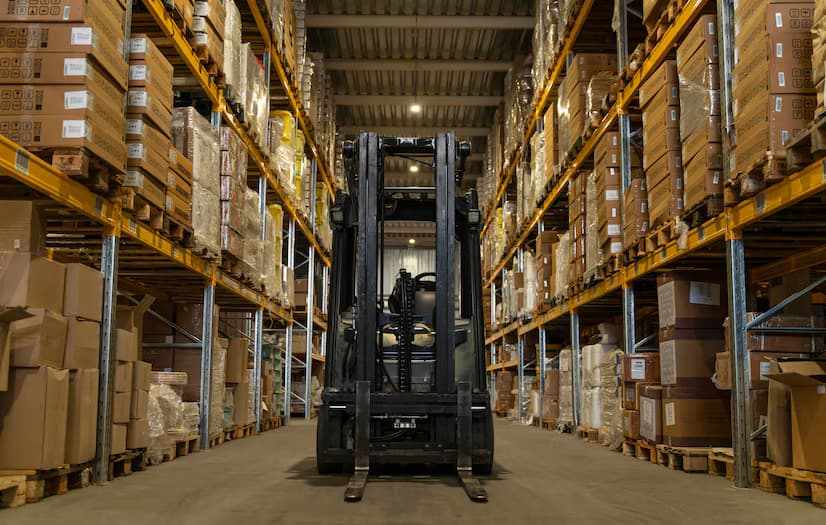
Improving warehouse density with a double deep racking system requires suitable handling equipment. Reach trucks or forklifts with extended reach capabilities are commonly used to access pallets stored in the rear position. When matched with the right equipment, the system allows safe and efficient pallet handling.
Operational planning is equally important in maintaining density improvements. Clear travel paths, organised pallet placement, and trained operators all contribute to consistent performance. With proper planning, warehouses can achieve higher storage density without sacrificing productivity or safety.
Safety and Long Term Space Efficiency
Safety plays a vital role in maintaining the benefits of increased warehouse density. Double deep racking systems must be professionally designed, installed, and regularly inspected to ensure stability and compliance. Safe operating practices help protect both personnel and stored goods within a high density environment.
Over time, the space efficiency provided by double deep racking systems delivers long term value. By reducing the need for expansion and making better use of existing space, warehouses can adapt to changing storage demands. In conclusion, businesses seeking to improve warehouse density through reliable storage solutions can benefit from expert design and implementation supported by Dalvie Systems.

Write a comment ...