
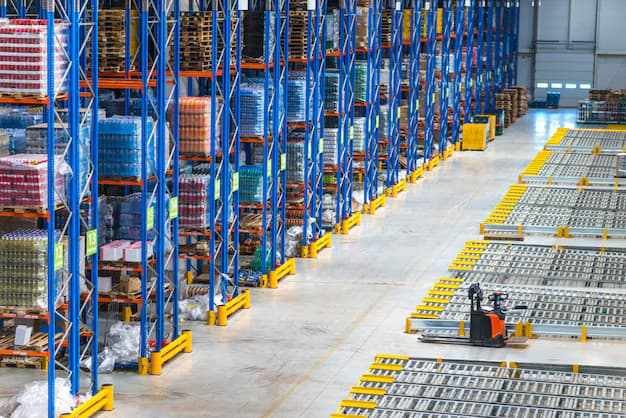
Maximizing warehouse storage density is a priority for many businesses seeking efficiency and cost savings. The double deep racking system is a popular solution that allows for greater storage capacity within the same floor area. By placing pallets two deep on each level, warehouses can reduce the number of aisles while maintaining accessibility. Understanding the principles, benefits, and best practices of the double deep racking system can help businesses optimize storage density and improve overall warehouse operations.
Understanding the Double Deep Racking System
Definition and Function
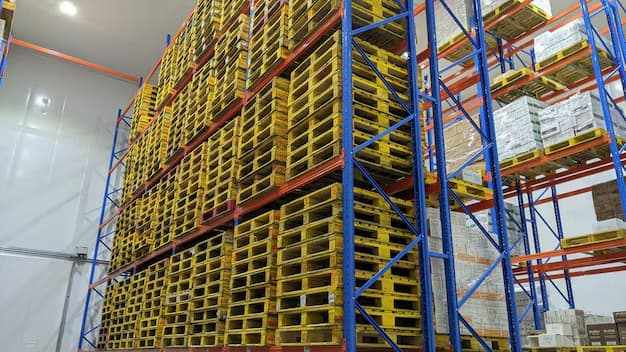
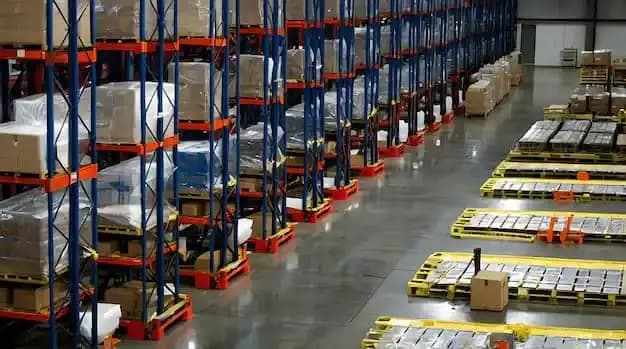
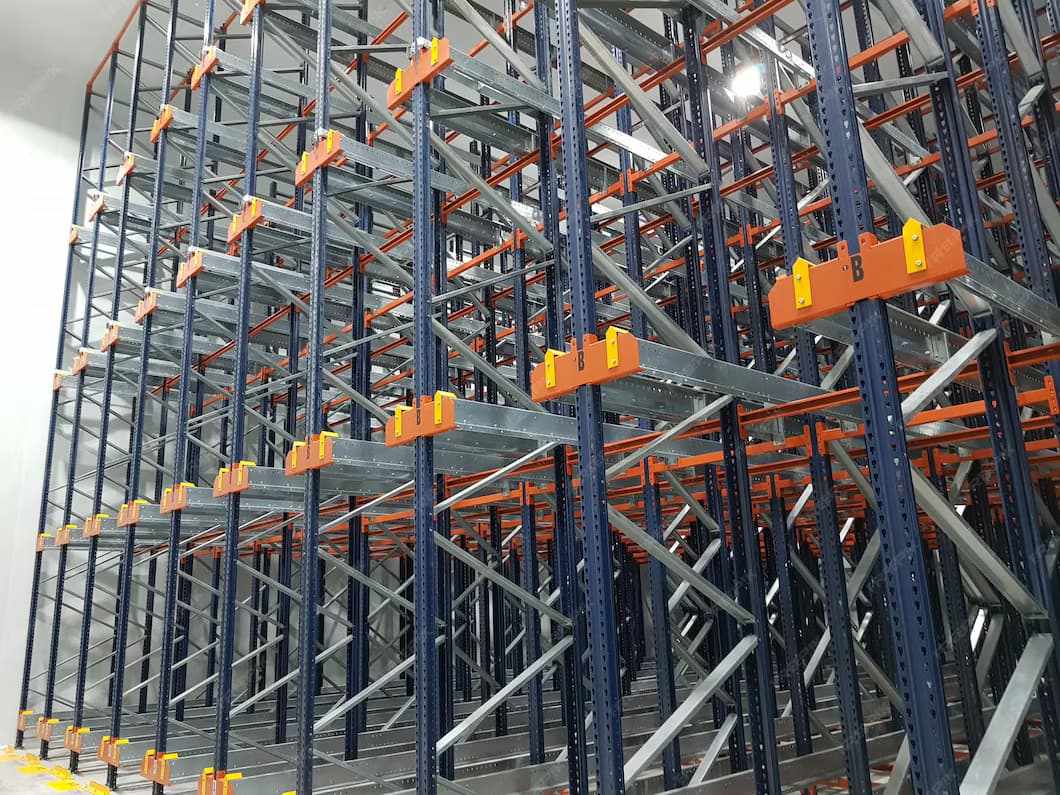
A double deep racking system is designed to store two pallets back-to-back on each level of a rack. Unlike single-depth racking where each pallet is directly accessible from the aisle, the double deep configuration requires specialized forklifts capable of reaching the rear pallet safely. This system is ideal for warehouses with limited floor space and high storage demands.
Differences from Standard Racking
The primary difference between a double deep racking system and standard single-depth racking is the depth of storage. While single-depth racks provide immediate access to all pallets, double deep racks optimize space by reducing aisle requirements. This configuration enhances storage density but requires careful planning for pallet retrieval and stock rotation.
Benefits of a Double Deep Racking System
Enhanced Storage Density
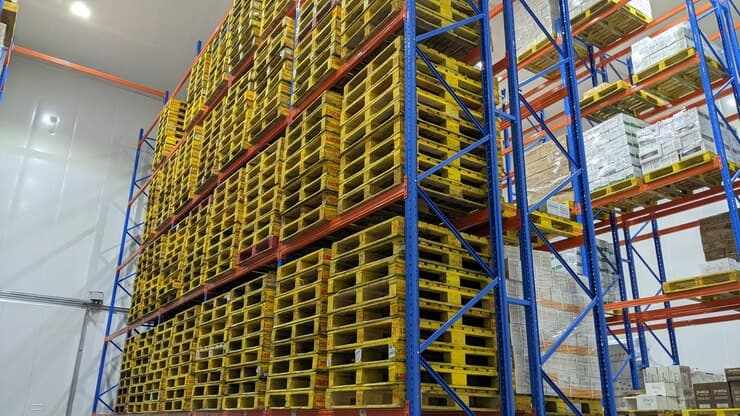
By storing two pallets deep, a double deep racking system increases the total number of pallets stored per square meter of floor space. This is particularly beneficial in warehouses with high storage requirements but limited expansion options.
Reduced Aisle Requirements
Fewer aisles are needed to access inventory, which frees up floor space for additional storage or operational activities. Narrower aisle configurations also contribute to efficient use of warehouse space without compromising safety.
Cost Efficiency
Maximizing storage density can reduce the need for warehouse expansion, saving on rental or construction costs. While initial investment in racks and specialized forklifts may be higher, the long-term operational and storage benefits justify the expense.
Improved Workflow
A double deep racking system can improve workflow efficiency when properly integrated with inventory management strategies. By positioning high-turnover items at the front and slower-moving items in the rear, businesses can streamline picking and replenishment processes.
Key Factors to Consider for Implementation
Forklift Compatibility
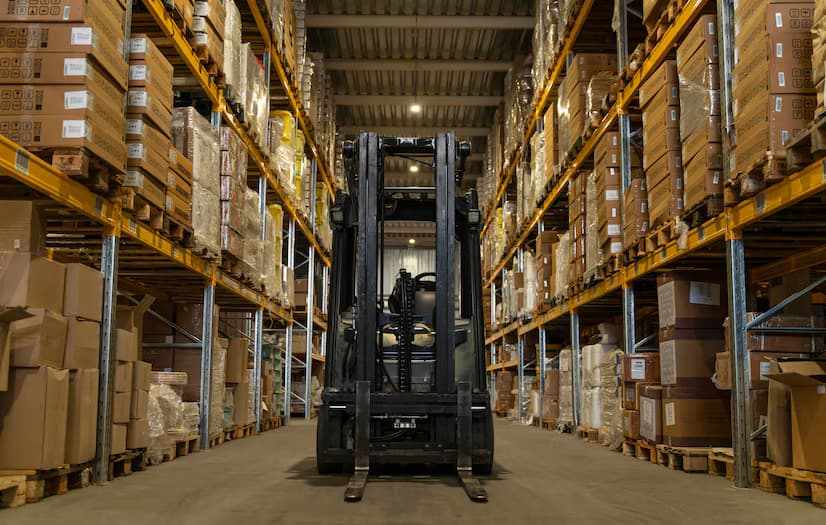
Double deep racking systems require forklifts that can reach pallets in the second position safely. Reach trucks or deep-reach forklifts are commonly used, and operators must be trained to handle pallets efficiently to prevent accidents and damage.
Warehouse Layout and Design
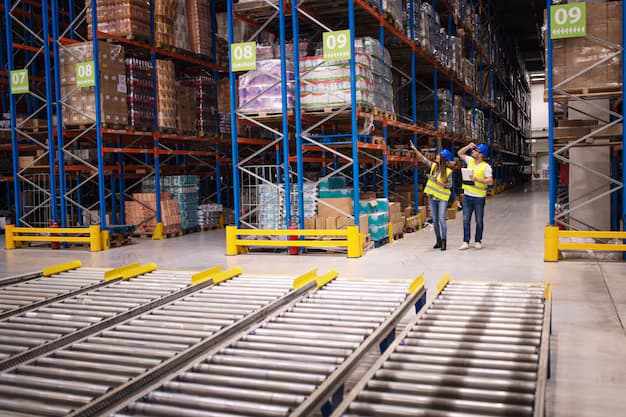
Proper warehouse layout planning is essential to maximize the benefits of a double deep racking system. Factors such as aisle width, rack height, pallet size, and traffic flow must be considered to ensure efficient and safe operations.
Load Capacity and Safety
The racks must be capable of supporting the weight of pallets stacked two deep. Ensuring proper load distribution and adhering to manufacturer load limits is critical for structural integrity and workplace safety.
Inventory Turnover Management
Double deep racking systems work best for medium to high turnover products. Low-turnover items may be better suited for single-depth racks to avoid delays in retrieving pallets from the back positions.
Design and Installation Best Practices
Selecting the Right Racking System
Choosing racks designed specifically for double deep storage ensures durability and safety. Beam strength, frame height, and pallet depth compatibility should all be carefully evaluated.
Professional Installation
Professional installation guarantees correct alignment, secure anchoring, and compliance with safety regulations. Proper setup minimizes the risk of structural failure and ensures the system operates as intended.
Safety Measures
Incorporating safety features such as pallet stop bars, row spacers, and rack protectors helps prevent accidents. Regular safety inspections and adherence to operational guidelines are crucial to maintaining a secure warehouse environment.
Maintenance and Inspections
Routine maintenance and inspections help identify potential issues such as bent frames, loose bolts, or worn components. Keeping aisles clear and ensuring proper pallet placement prolongs the lifespan of the racking system and maintains operational efficiency.
Operational Tips for Maximizing Efficiency
Strategic Product Placement
Placing high-demand items at the front and slower-moving stock in the rear optimizes workflow and reduces retrieval time. This strategy ensures that the double deep system does not slow down operations.
Inventory Management Systems
Integrating a double deep racking system with inventory management software improves tracking, stock rotation, and replenishment planning. Automated systems help maintain accurate inventory levels and optimize pallet placement.
Staff Training
Training staff to handle pallets safely and operate forklifts efficiently in a double deep environment reduces accidents and ensures smooth day-to-day operations. Proper training also minimizes damage to racks and stored goods.
Performance Monitoring
Regularly evaluating storage efficiency and operational performance can identify areas for improvement. Adjusting layout, pallet placement, or forklift routes can further enhance storage density and workflow efficiency.
Challenges and Solutions
Accessibility Concerns
Accessing pallets in the rear positions can be more challenging than in single-depth racks. Using deep-reach forklifts and proper inventory rotation strategies helps maintain accessibility without compromising storage density.
Initial Investment
The upfront cost of a double deep racking system may be higher due to specialized racks and forklifts. However, the long-term benefits in storage optimization and space utilization typically outweigh these initial expenses.
Risk of Damage
Retrieving pallets from deeper positions increases the risk of accidental damage. Protective measures such as rack guards, careful handling practices, and regular inspections minimize this risk.
Conclusion
A double deep racking system is an effective solution for warehouses seeking to maximize storage density while maintaining operational efficiency. Careful consideration of forklift requirements, warehouse layout, load capacity, and inventory management ensures the system operates safely and effectively. Strategic product placement, staff training, and regular maintenance further enhance the benefits of this storage method. For professional guidance and solutions related to double deep racking systems, Dalvie Systems offers expert support to help businesses optimize their warehouse storage and improve overall efficiency.

Write a comment ...