
Efficient use of warehouse space is a crucial aspect of modern industrial operations. Industrial pallet racks provide a reliable and flexible solution to maximize storage capacity, improve organization, and enhance operational efficiency. By leveraging vertical space and streamlining storage layouts, businesses can optimize their facilities without significant structural expansion. This article explores the benefits, design considerations, and practical applications of industrial pallet racks for space optimization.
Understanding Industrial Pallet Racks
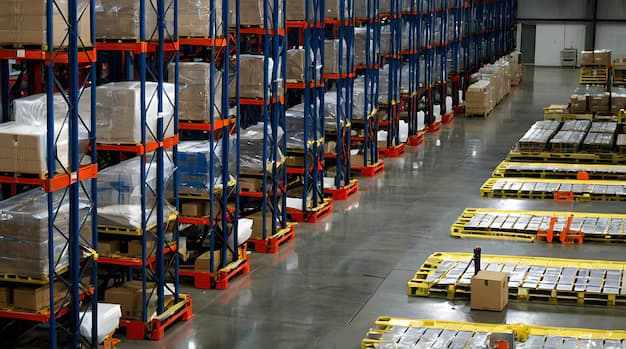
Industrial pallet racks are structured storage systems designed to hold palletized goods in warehouses and distribution centers. Constructed from durable materials such as steel, these racks are engineered to withstand heavy loads while maintaining stability and accessibility.
Components of Industrial Pallet Racks
Several key components ensure the safety and functionality of pallet racks.
Upright Frames
Upright frames are vertical supports that bear the weight of stored pallets and provide structural integrity to the racking system.
Horizontal Beams
Beams connect upright frames and serve as platforms for pallets, ensuring that weight is evenly distributed.
Safety Accessories
Optional components like pallet stops, wire mesh decking, and protective guards enhance safety and prevent accidental damage to goods or personnel.
Types of Industrial Pallet Racks
Different racking systems are designed to meet diverse storage requirements.
Selective Pallet Racks
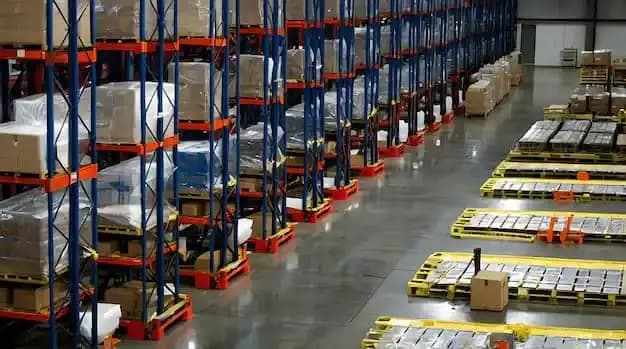
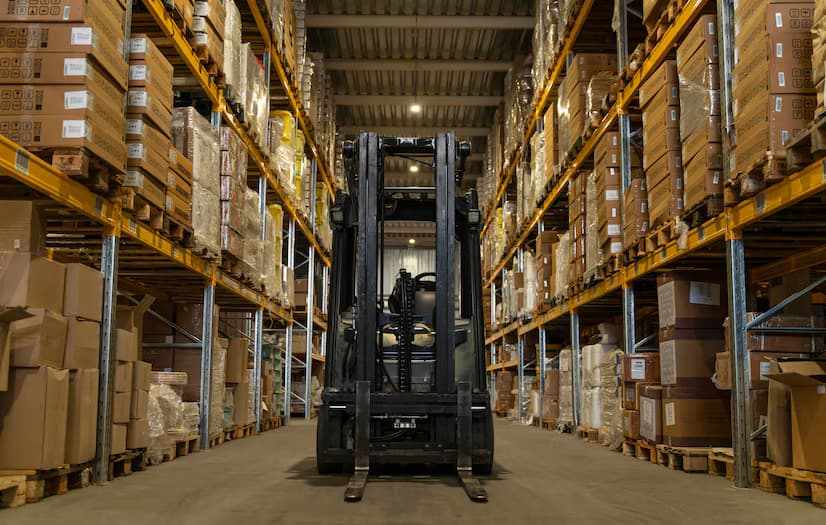
Selective racks allow direct access to each pallet, making them ideal for operations requiring frequent picking and high inventory turnover.
Double Deep Racks
Double deep racks increase storage density by storing two pallets back-to-back while still providing access via forklifts.
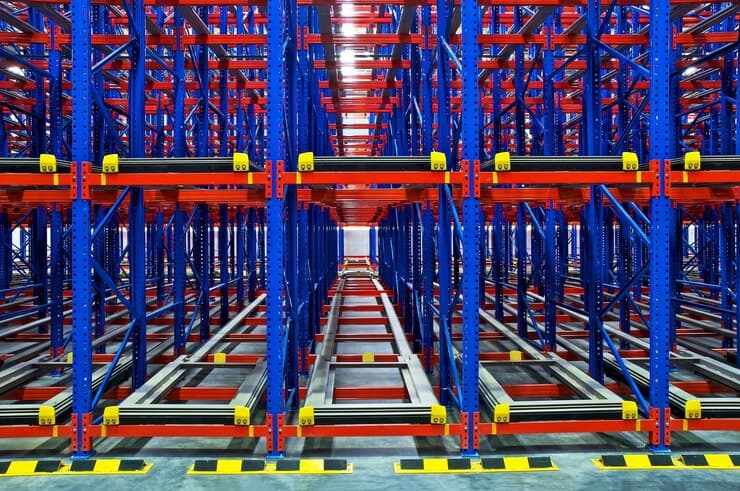
Drive-In and Drive-Through Racks
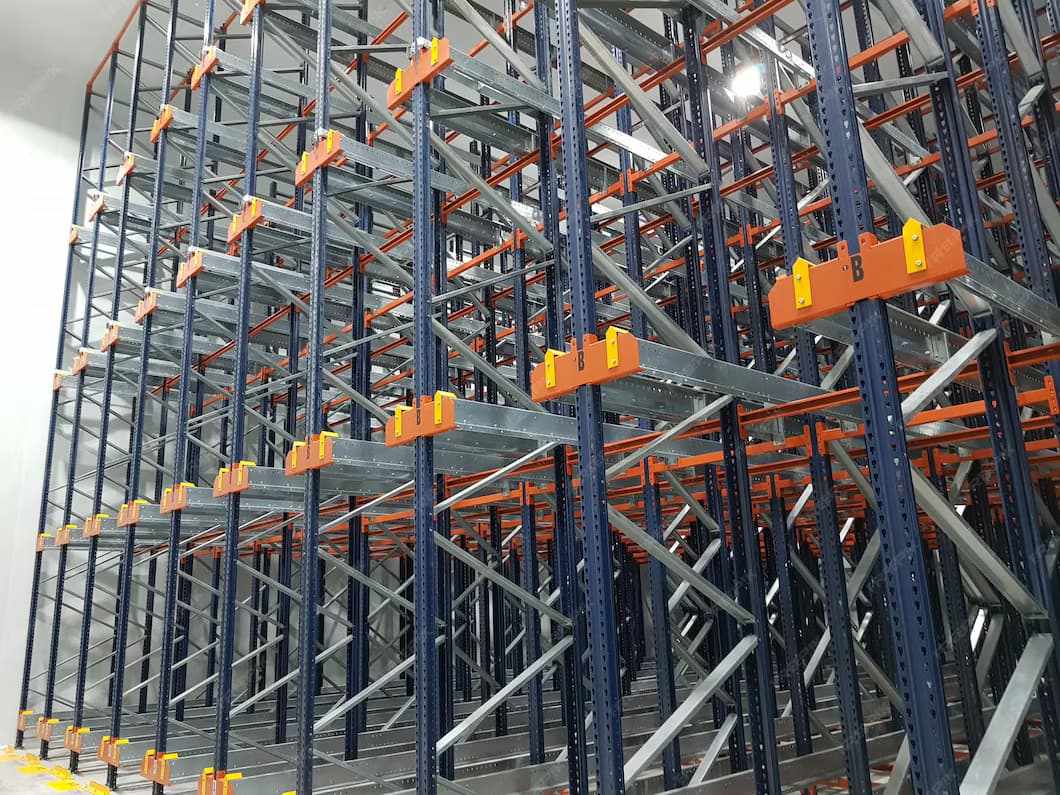
These systems allow forklifts to enter the rack structure for loading or unloading pallets, maximizing storage in areas with limited aisle space.
Push-Back and Pallet Flow Racks
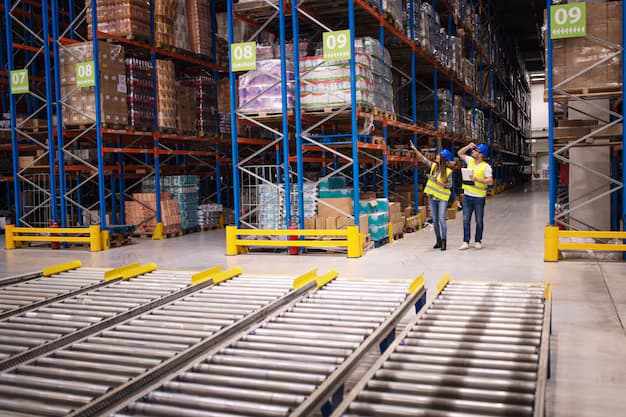
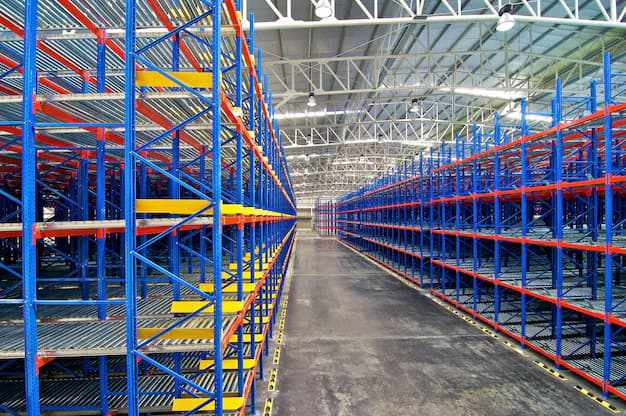
These systems utilize gravity or rollers to move pallets efficiently, supporting high-volume operations and first-in, first-out inventory management.
Benefits of Industrial Pallet Racks for Space Optimization
Implementing industrial pallet racks can transform warehouse operations by maximizing space and improving overall efficiency.
Maximizing Vertical Space
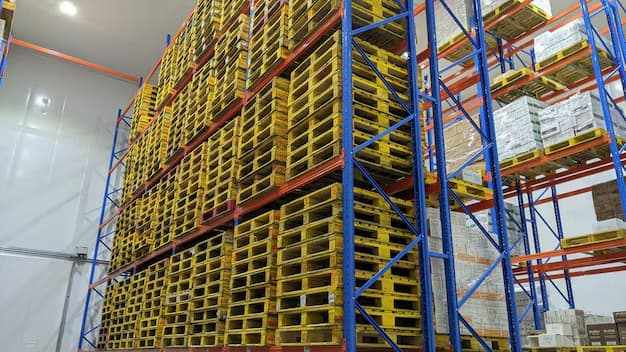
Industrial pallet racks allow warehouses to utilize the vertical height of their buildings, creating multiple storage levels without expanding the facility footprint.
Increased Storage Capacity
By adding tiers of storage, businesses can significantly increase their inventory capacity within the same floor area.
Efficient Use of Floor Space
Racks organize goods vertically rather than spreading them across the floor, freeing space for operational activities and equipment movement.
Enhancing Operational Efficiency
Properly designed pallet racks streamline warehouse operations, reducing time spent locating and handling inventory.
Organized Inventory
Racks categorize and segregate items, making inventory management more systematic and reducing errors.
Faster Access
Strategically arranged racks provide easy access to pallets, enabling faster picking, loading, and replenishment.
Flexibility and Scalability
Industrial pallet racks offer versatile solutions that can adapt to evolving business needs.
Customizable Layouts
Racks can be tailored to accommodate different pallet sizes, weights, and storage requirements.
Expandable Systems
Additional racks or levels can be added over time as inventory demands grow, ensuring long-term scalability without major construction.
Improved Safety
Racks contribute to a safer warehouse environment by securing palletized goods and preventing accidents.
Load-Bearing Design
Industrial pallet racks are engineered to support heavy loads, reducing the risk of collapse or tipping.
Protective Features
Accessories like mesh decking and pallet stops prevent items from falling, protecting both staff and inventory.
Cost-Effective Storage Solution
Industrial pallet racks optimize space without the need for expensive warehouse expansion.
Reduced Construction Costs
Maximizing vertical space with racks allows businesses to accommodate growth without building additional square footage.
Lower Operational Costs
Efficient layouts reduce forklift travel distance, labor time, and energy consumption, contributing to operational savings.
Design Considerations for Industrial Pallet Racks
Careful planning is essential to maximize the benefits of pallet racking systems.
Space Planning
Proper layout ensures efficient use of both vertical and horizontal space.
Aisle Width
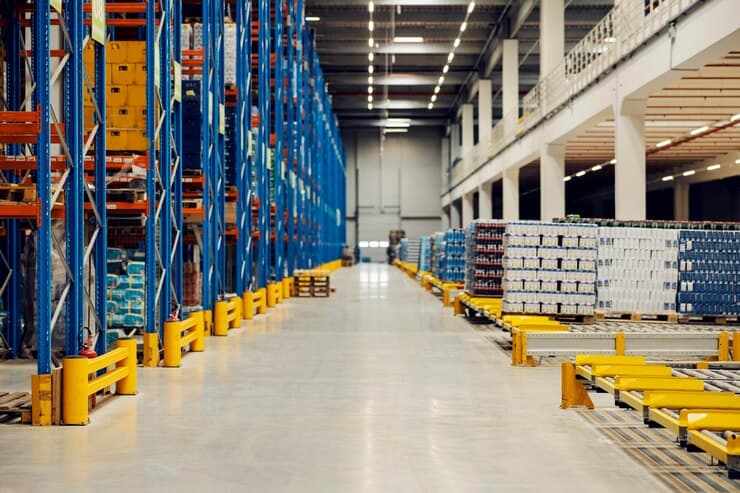
Aisles must be wide enough for forklifts and equipment to operate safely while minimizing wasted floor space.
Rack Configuration
Consider parallel, perimeter, or custom layouts based on workflow, storage requirements, and accessibility.
Load Capacity and Weight Distribution
Ensuring racks can safely handle intended loads is critical.
Determining Load Limits
Calculate maximum pallet weight per level to prevent structural stress.
Even Distribution
Distribute weight evenly across beams and uprights to maintain stability and prolong rack lifespan.
Workflow Optimization
Rack placement should complement operational processes to improve efficiency.
High-Turnover Item Placement
Frequently accessed products should be positioned for easy access, reducing handling time.
Integration with Material Handling Equipment
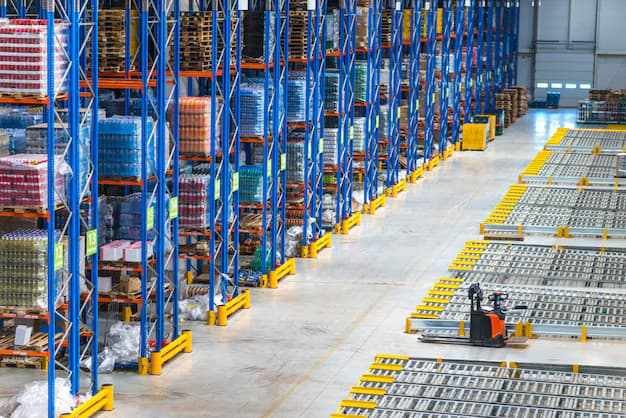
Racks must accommodate forklifts, pallet jacks, or automated systems for smooth and safe movement of goods.
Safety and Compliance
Adhering to safety standards ensures secure and reliable operations.
Regulatory Standards
Ensure racks comply with local building codes, fire safety requirements, and industrial regulations.
Regular Inspections
Routine inspections of beams, uprights, and safety accessories prevent damage and maintain structural integrity.
Applications of Industrial Pallet Racks
Industrial pallet racks are suitable for a wide range of industries and operational environments.
Warehousing and Distribution
Racks enhance storage density and organization, enabling efficient inventory management and rapid order fulfillment.
Manufacturing Facilities
Pallet racks store raw materials, components, and finished products, supporting smooth production workflows.
Retail and Wholesale Storage
Racks allow retailers and wholesalers to store high volumes of stock systematically, improving accessibility and operational efficiency.
Cold Storage and Temperature-Controlled Facilities
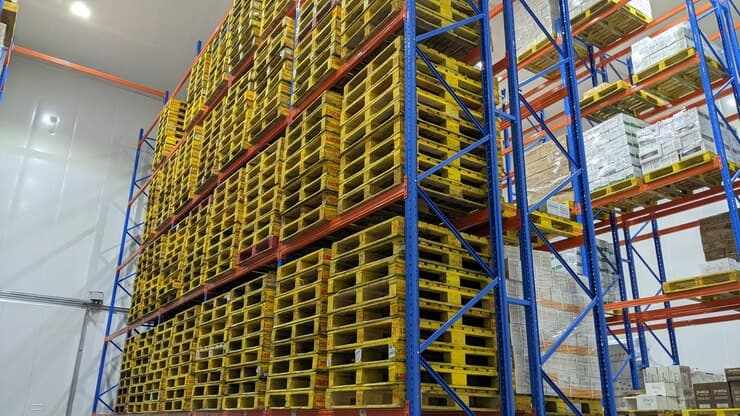
Industrial pallet racks can be adapted to cold storage environments, safely storing perishable items while maintaining organization.
Best Practices for Implementing Industrial Pallet Racks
Following best practices ensures optimal performance and safety of pallet racking systems.
Professional Design and Installation
Engaging experts ensures that racks are properly engineered, installed, and compliant with safety standards.
Staff Training
Personnel should be trained on safe pallet handling, loading procedures, and proper use of forklifts to prevent accidents.
Routine Maintenance
Regular inspections and maintenance help maintain structural integrity and prolong the lifespan of racks.
Load Management
Strict adherence to weight limits and proper pallet placement ensures safety and prevents rack damage.
Conclusion
Industrial pallet racks are a highly effective solution for space optimization in warehouses and industrial facilities. They maximize vertical storage, improve workflow, enhance safety, and provide scalable, cost-effective solutions for growing businesses. Proper design, layout, and maintenance are essential to fully leverage the benefits of pallet racks while maintaining operational efficiency. For professional guidance, installation, and support in optimizing industrial pallet racks, Dalvie Systems provides tailored solutions to help businesses maximize space and streamline warehouse operations.



Write a comment ...