In any warehouse, shelving and storage systems play a crucial role in maintaining operational efficiency and ensuring safety. Among these systems, racking units are the backbone, holding large quantities of goods, materials, and inventory. However, over time, these racks can experience wear and tear, which could lead to structural weaknesses or safety hazards. This is where regular rack inspection become essential. In this article, we explore the importance of conducting regular rack inspections in warehouses and how these inspections contribute to the overall functionality and safety of the facility.

Why Rack Inspections Are Crucial
Warehouse racks are designed to withstand significant loads, but constant use and environmental factors can take a toll on their structural integrity. Without regular inspections, even the smallest damage can escalate into a major safety risk. Regular rack inspections help identify and address issues before they lead to accidents, damaged inventory, or costly repairs.
Preventing Safety Hazards
Safety is a top priority in any workplace, and warehouses are no exception. Warehouse environments, often filled with forklifts, heavy machinery, and workers moving large products, can be prone to accidents. Damaged racks can cause products to fall, leading to serious injuries, equipment damage, or even fatalities.
Routine inspections ensure that racks are in good condition and that there are no hidden defects that could cause an accident. Inspectors look for signs of wear and tear such as cracks, bent beams, or missing components. Addressing these issues promptly can prevent dangerous incidents from occurring, keeping both employees and inventory safe.
Extending the Life of Warehouse Racks
Warehouse racks are a significant investment, and their longevity is essential for maximizing return on investment. Regular rack inspections allow facility managers to identify minor issues early, such as loose bolts, rust, or misaligned shelves. By catching these problems before they become major defects, inspections can extend the life of the racking system and prevent the need for costly repairs or replacements.
A well-maintained racking system operates at optimal efficiency, reducing the likelihood of system failures that could cause costly downtime or hinder warehouse operations. Proactive maintenance through inspections helps ensure that racks continue to function as intended for years to come.
Enhancing Warehouse Efficiency
An efficient warehouse is a productive one. A properly maintained racking system helps optimize the flow of goods, minimize delays, and streamline inventory management. Regular rack inspections ensure that racks are level, aligned, and free from obstructions. These factors contribute to better organization and accessibility, allowing workers to locate items quickly and efficiently.
When racks are functioning at their best, employees can move more freely, which leads to faster picking and packing times. This not only improves productivity but also enhances the overall efficiency of the warehouse.
Identifying Structural Issues Early
Structural issues in warehouse racking systems can develop gradually, making them difficult to spot without regular inspections. Some common structural problems include:
Bent or deformed beams
Cracked uprights
Worn or missing anchor bolts
Degraded floor anchors
Collapsed or unstable racks
By conducting routine inspections, warehouse managers can detect these structural issues early and take the necessary steps to repair or replace faulty components. Identifying issues early reduces the risk of sudden, catastrophic rack failures that can result in costly damages or inventory loss.
Compliance with Safety Standards and Regulations
Warehouse operations must adhere to strict safety standards and regulations, many of which include guidelines for the inspection and maintenance of racking systems. Regular inspections ensure that a warehouse is in compliance with both local and international safety standards, including OSHA regulations and industry-specific guidelines.
Failing to perform regular rack inspections can result in fines, legal liabilities, or even the closure of the warehouse until necessary repairs are made. Inspections help maintain compliance, reducing the risk of regulatory violations and promoting a safe work environment for all employees.
Minimizing Inventory Losses
Damaged racks can lead to unstable storage conditions, which increase the risk of product damage or inventory loss. For example, if a rack's load-bearing capacity is compromised, heavy items may fall, causing them to break or get damaged. Additionally, poorly maintained racks may not hold goods securely, leading to accidental spills or misplaced inventory.
By identifying potential rack failures through regular inspections, warehouse managers can mitigate the risk of inventory loss, ensuring that goods are stored safely and securely. A safe and stable storage system minimizes product damage and ensures that inventory remains in top condition.
Streamlining Insurance Claims and Audits
Insurance companies often require proof of regular safety checks and maintenance to process claims in case of an incident. If a warehouse is unable to provide evidence of routine inspections and rack maintenance, they may face difficulties in obtaining insurance coverage or be forced to pay higher premiums.
Moreover, if an accident or injury occurs due to a lack of inspections, the warehouse may be liable for significant compensation costs. Regular rack inspections not only ensure that safety protocols are followed, but they also streamline the insurance claims process by providing documented evidence of proactive maintenance.
How to Conduct Effective Rack Inspections
Effective rack inspections require a structured approach to ensure that all components of the racking system are thoroughly examined. Below are some key steps in conducting a proper rack inspection:
Visual Inspection
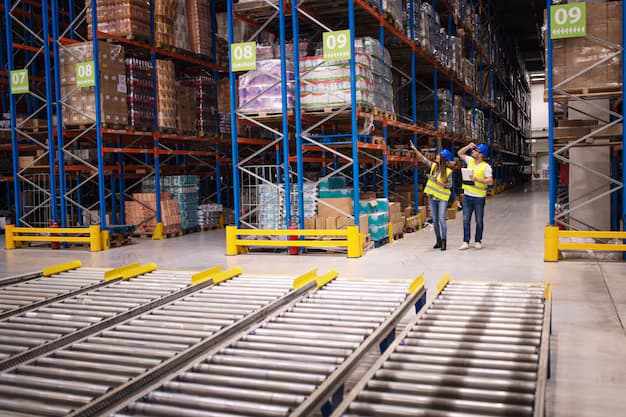
A visual inspection is the first and simplest step in the inspection process. Inspectors should walk through the warehouse and visually check for any obvious signs of damage. Look for bent beams, missing components, or visible cracks in the uprights.
Load Testing
Inspectors should also perform load testing to ensure that racks are capable of supporting the weight of the inventory they are designed to hold. This involves checking the weight capacity of each section of the racking system to make sure it matches the loads placed on them.
Structural Integrity Check
A more thorough inspection should focus on the structural integrity of the racks. Inspectors should check for bent beams, cracked uprights, or any other issues that could compromise the system's strength. Ensuring that all bolts and fasteners are properly secured is also essential for maintaining the rack's stability.
Regular Maintenance Checks
In addition to visual inspections, regular maintenance checks should be scheduled to inspect and tighten bolts, replace worn-out components, and lubricate moving parts. Routine maintenance helps prevent minor issues from escalating into major repairs.
Documentation
It is essential to document the findings of each rack inspection. This not only provides a record of maintenance activities but also helps identify trends over time. If recurring issues are discovered, warehouse managers can develop strategies for addressing them more effectively.
Conclusion
In conclusion, regular rack inspections in warehouses are not just about maintaining a safe working environment, but also about ensuring long-term operational efficiency. From preventing accidents and extending the lifespan of racks to enhancing warehouse productivity and reducing inventory loss, regular inspections are vital for the smooth functioning of any warehouse. By adhering to a consistent inspection schedule, warehouse managers can identify and resolve potential issues early, ensuring that racks remain safe, stable, and efficient for years to come.
For businesses seeking to ensure optimal rack safety and efficiency, working with experts in warehouse racking systems, such as Dalvie Systems, can provide the necessary guidance and support to maintain top-tier storage solutions.


Write a comment ...